
Retail media has become a foundational component of how brands connect with Canadian consumers at or near the point of purchase, and its evolution into a wider categorization to Commerce Media allows for even more opportunities to connect with Canadians meaningfully. Across retailer and loyalty websites, apps, in-store environments, and off-site extensions, retail media networks provide access to high-intent audiences supported by first-party data and closed-loop measurement. We’re also seeing growth and partnership across this landscape globally with media networks from travel companies (Marriott Media, Kinective), Commerce Intermediaries/Enablers (Instacart, Uber, DoorDash), and Financial Networks (PayPal, Chase Media, Mastercard). As we continue seeing evolution globally, we anticipate even more change in the Canadian commerce media market.
Success in commerce media is no longer defined by access to inventory alone, but by the ability to deliver consistent performance, transparent measurement, and seamless integration within broader media strategies. Commerce media is advancing from a lower-funnel tactic to a full-funnel capability that supports awareness, consideration, and conversion, and more agencies and brands are looking to understand how to use these insights and consumer purchase behaviour to build better briefing, campaign forecasting, and more.
This outlook outlines the pillars that define commerce media success for 2026 and highlights how member case studies demonstrate value across the Canadian market. Collaboration, trust and embracing the constant change that comes with a massive landscape evolution will be how this market not only survives, but thrives alongside other successful markets on the bleeding edge of commerce media.
1. First-Party Data and Audience Precision
Commerce media is built on deterministic, first-party data derived from actual purchase and shopping behaviour. This enables advertisers to reach consumers based on category interest, purchase intent and shopping patterns.
In Canada, where privacy expectations and regulatory standards continue to evolve, the responsible use of first-party data has become a key differentiator. Retailers and other first-party data stewards (i.e. loyalty programs, travel programs, commerce intermediaries/enablers) provide scaled, privacy-compliant audience access that supports both endemic and non-endemic advertisers.
Successful strategies go beyond basic targeting to include audience segmentation, suppression, and sequential messaging that reflect where consumers are in their purchase journey. There will also be opportunities for integration and partnership for all of the commerce media participants as the expectations from agencies and brands evolve from not only what is the consumer doing right now in one store, but what are the consumer’s behaviours across retailers, across other shopping experiences, etc. to more deeply understand how their brand can impact Canadians, and where there are further growth opportunities.
The purchase signal is where retail media started, but the consumer journey and developing more authentic relationships with our consumers is where commerce media will be able to define itself in 2026.
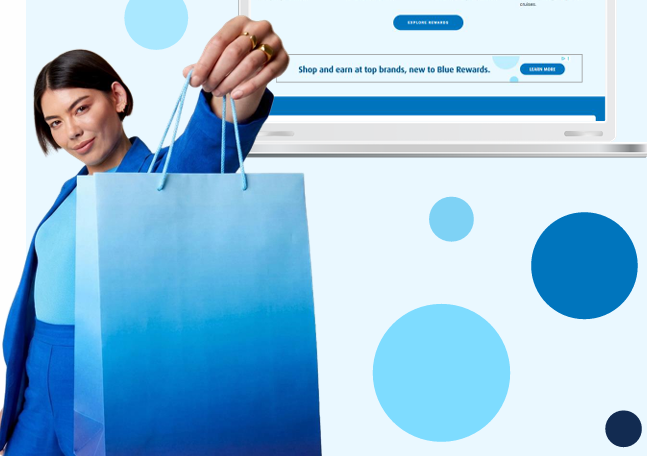
Blue Rewards | Linked Card Retailer
Blue Rewards supported a linked-card retail partner by using first-party collector data to identify high-propensity audiences with relevant category spend and redemption behaviour. The campaign extended an existing card-linked offer partnership with paid onsite and offsite media, including BlueRewards.ca placements, Meta, and Google Paid, while using pixel-based tracking to connect engagement to sales conversions, revenue, CPA, and ROAS. The approach drove continued performance, expanded reach without cannibalizing the existing partnership, and generated measurable business impact, demonstrating how commerce media can connect audience precision with accountable sales attribution across multiple campaigns.

Loblaw Advance | Snack Food Brand
A leading snack food brand used Loblaw’s first-party data and Audience Hub platform to identify lapsed shoppers and rebuild trust after a period of declining sales. By using loyalty-powered shopper insights to understand which customers had drifted, the brand developed precise audience segments that were activated across offsite placements as part of an omnichannel campaign. The campaign re-engaged 400,000 customers, generated attributed sales, and delivered conversion lift among lapsed buyers, demonstrating how privacy-safe first-party data can help brands reconnect with high-value audiences and turn shopper insight into measurable growth.

Key Insight
First-party data enables precise, privacy-safe targeting that connects media exposure directly to real consumer behaviour.
2. Closed-Loop Measurement and Attribution
Commerce media offers one of the most direct paths to measuring advertising effectiveness. By connecting media exposure to transaction data, advertisers can evaluate performance across sales, basket size, and return on ad spend. Outside of short-term performance, commerce media also allows advertisers to dig into more meaningful conversations around lifetime value of their consumers, loyalty and lift on brand, and other metrics to understand the longer-term impacts of their media spend.
As investment in retail and commerce media grows, so do expectations for standardized reporting and transparency. Canadian advertisers increasingly look for consistent methodologies that align with broader cross-channel measurement frameworks. With the addition of new types of commerce media networks, having clear guidelines will allow agencies and brands to be able to evaluate the performance and consolidate reporting on their commerce media partnerships.
Successful campaigns and partnerships will demonstrate impact through both short-term sales performance and longer-term brand metrics, supported by clear attribution models and credible reporting. Commerce media will continue to be focused on driving business outcomes for brands through real sales performance and will evolve into using this data throughout the marketing process, driving better insights back to the brands to develop more consumer-led products, packaging, and future media and marketing initiatives.
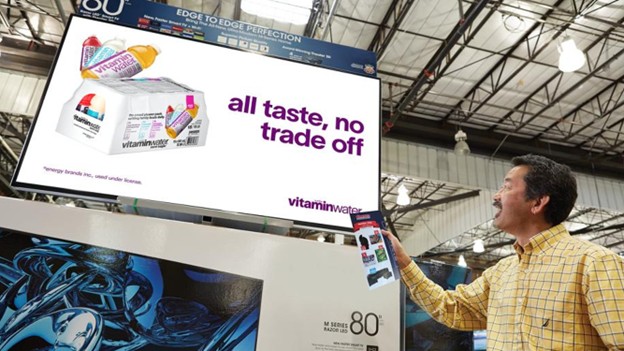
PRN Media | Costco & Vitamin Water
A vitamin water campaign across Costco TV Canada used in-warehouse media to reach shoppers close to the point of purchase, then measured impact through an independent test-and-control mobile study. The campaign connected ad exposure to real-world outcomes, delivering a 44-point lift in in-store purchase and a 36-point increase in future purchase intent. The results demonstrate how commerce media can provide credible closed-loop measurement across both immediate sales activity and longer-term brand consideration.
Key Insight
Closed-loop measurement provides clear visibility into performance, strengthening confidence in retail media investment.
3. Full-Funnel Capability Across the Shopper Journey
Commerce Media has evolved beyond conversion-focused tactics to support the full consumer journey, acknowledging consumers don’t only exist in the context of a retail location. On-site placements capture high-intent shoppers close to purchase, while off-site and upper-funnel formats extend reach and build awareness earlier in the decision-making process. Being able to reach Canadians at the right time, with the right messaging, can help drive relevance, and the combination of onsite, offsite, in-store, and everything in between can help brands influence choice, win share, and build stronger customer relationships across the full journey.
Retailers are increasingly offering integrated solutions that combine display, sponsored products, video, and off-site media to create cohesive brand experiences. Retailers and Loyalty programs are also partnering to integrate offers and value to Canadians, to influence behaviour of consumers and drive brand growth with new consumers or deepen loyalty with value back. Being able to layer on offers and promotions, on top of media, allows retailers to have more control over engagement and ensure consumers feel valued in an increasingly crowded market for attention.
Successful strategies align messaging across the funnel, ensuring that awareness-building and pre-shop activity connects seamlessly with conversion-focused placements.
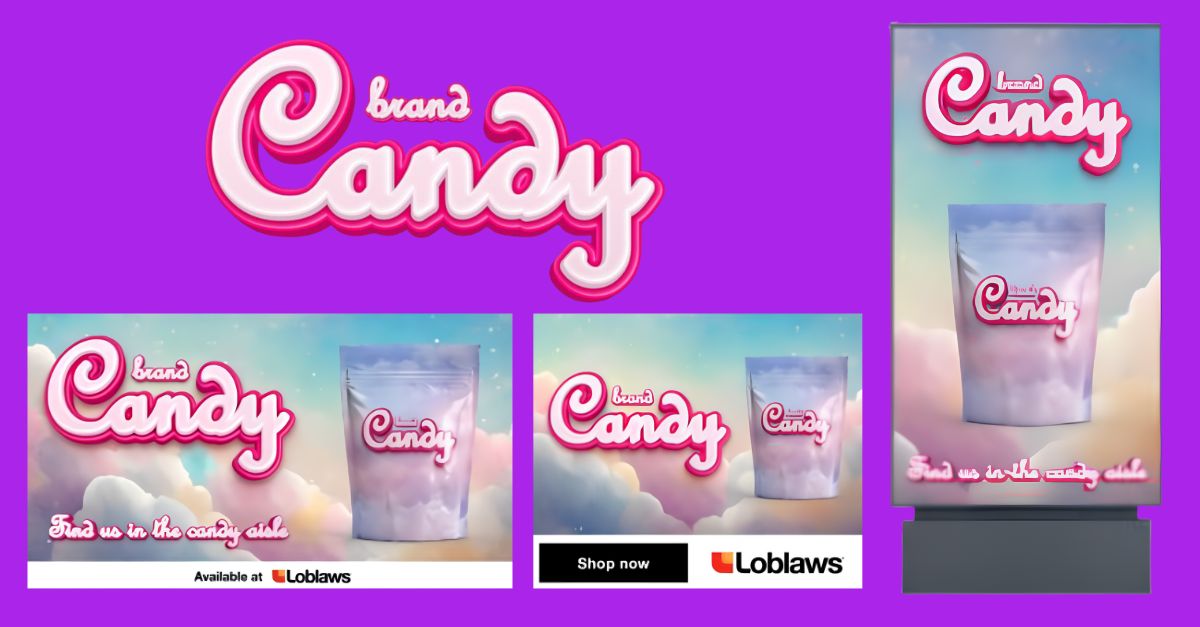
Loblaw Advance | Candy Brand
An iconic confectionery brand used an omnichannel retail media strategy to strengthen brand relevance with younger shoppers while driving measurable purchase outcomes. The campaign connected pre-shop online video and social, onsite display and search, and in-store screens and audio to reach consumers across the full shopper journey. Supported by purchase-based audience signals and tailored creative, the campaign delivered gains in purchase intent, brand relevance, new-to-brand purchase, and market share, demonstrating how commerce media can move beyond conversion alone to build both brand equity and sales momentum.

Walmart Connect | Home Brand
A new home brand at Walmart used onsite display and sponsored search to build awareness and consideration among online shoppers while capturing demand from consumers actively browsing and searching for home-related products. By pairing onsite banners with branded and unbranded sponsored search keywords, the campaign connected upper-funnel visibility with lower-funnel shopper intent. The campaign delivered strong digital engagement and performance, including 2.3M impressions, 0.56% overall CTR, and 140% ROAS, demonstrating how commerce media can support brand discovery while moving shoppers closer to purchase.
Key Insight
Full-funnel retail media strategies drive both immediate sales and long-term brand growth.
4. Omnichannel Integration Across Digital and Physical Retail
Commerce media in Canada extends beyond digital environments into physical retail spaces, including in-store screens, audio, and point-of-sale activations. This creates opportunities to influence consumers throughout the entire shopping experience. Layering on first-party data in new channels like Linear and Connected TV, and complimenting the full omnichannel journey with data, will also allow commerce media to not just be a channel for execution in 2026, but an integral component to all media planning and buying for endemic and non-endemic advertisers.
As shopping behaviour continues to blend online and in-store interactions, advertisers benefit from coordinated messaging across touchpoints. Retail media networks enable brands to connect with consumers from initial discovery through to in-store decision-making. Partnering with media companies, you’ll see more opportunities to close the loop on meeting shoppers where they are and helping make the shopping journey more accessible for measurement opportunities. The partnership between Bell Media, Environics Analytics and Loblaw Advance is a great example of not only how in-store can power the media but also measure the impact of your traditional media buying on sales.
Successful campaigns integrate on-site, off-site, and in-store media to reinforce messaging and increase relevance at key moments. Omnichannel integration done well should feel seamless across all of these channels and experiences, and feel authentic to shoppers, while providing value in measurement and insights back to those advertisers and brands.
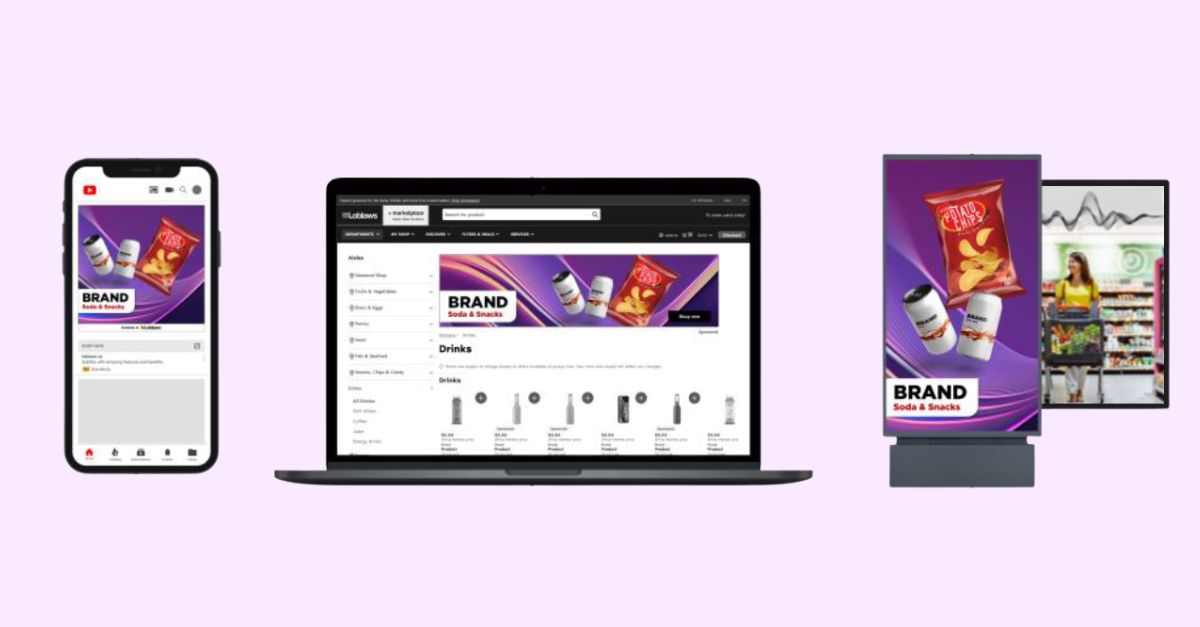
Loblaw Advance | Beverage Brand
A beverage brand used an omnichannel retail media strategy to win during the holiday period by reaching existing buyers and attracting new category shoppers across digital and physical touchpoints. The campaign combined precision-targeted programmatic display, online video, social, onsite shoppable placements, and in-store screens and audio to connect with shoppers before, during, and at the moment of purchase. By complementing online and in-store channels, the campaign expanded reach, increased customer growth, and improved return on ad spend, showing how integrated commerce media can strengthen both shopper engagement and low-funnel conversion.

Walmart Connect | BeybladeX
BeybladeX used an integrated Walmart Connect program to turn shopping touchpoints into an omnichannel brand experience, combining in-store retailtainment events with digital amplification across onsite and offsite channels. The campaign brought fans and new players together through experiential events in Walmart locations, while a branded homepage, paid social, onsite banners, search hero banners, and tile takeovers extended discovery and consideration beyond the store. With 5.6M impressions, approximately 2.5K homepage clicks, and a 57% sales lift on event days compared to the same day the prior week, the case demonstrates how commerce media can connect physical retail, digital media, and community engagement into one cohesive shopper journey.
Key Insight
Omnichannel execution strengthens message continuity and influences decisions at the point of purchase.
5. Standardization, Transparency, and Ecosystem Collaboration
As commerce media scales in Canada, consistency and transparency have become critical to long-term success. Advertisers expect clarity around inventory, pricing, measurement methodologies, and reporting standards.
The fragmentation of commerce media networks presents both opportunity and complexity. Collaboration across retailers, agencies, and industry bodies supports the development of shared standards that improve comparability and efficiency. Simplified guidelines and playbooks will help but won’t work without alignment from key participants in this market.
Successful approaches prioritize transparency, interoperability, and alignment with broader digital media practices, ensuring retail and commerce media solutions integrate seamlessly into overall media planning and buying workflows. Treating these networks as partners to deepen relationships with consumers, rather than a line item in a media plan, can also lead to more impactful, and effective media campaigns, and also allow for a more open feedback loop on expectations and outcome delivery.

IAB / MRC Retail Media Measurement Guidelines
As commerce media scales, shared standards are essential to building trust and reducing complexity. The IAB / MRC Retail Media Measurement Guidelines provide a common framework for improving transparency, consistency, and comparability across retailers, brands, agencies, and technology partners.
Key Insight
Standardization and collaboration enable scalable growth and position retail media as a core component of modern media strategies.
Conclusion
Success in retail media for 2026 can be defined by five pillars:
• First-party data and audience precision
• Closed-loop measurement and attribution
• Full-funnel capability across the shopper journey
• Omnichannel integration across digital and physical retail
• Standardization, transparency, and ecosystem collaboration
Across these pillars, commerce media in Canada delivers a unique combination of addressable Canadian data, proximity to purchase, and measurable outcomes.
Commerce media is playing an increasingly important role in Canada’s broader media landscape. As the ecosystem evolves, the industry’s focus remains on accountability, integration, and consistency. Through collaboration and shared standards, IAB Canada, the Commerce Media Committee, and its members are helping advance a market that delivers reliable outcomes for advertisers while supporting high-quality consumer experiences. Join the committee to help build the next phase of innovation.