
At IAB Canada’s State of the Nation 2026, the sovereignty debate quickly moved beyond policy language and into a more practical question for Canada’s digital economy – how do we stay competitive when the tools, platforms and infrastructure we rely on are increasingly controlled outside the country?
The Canadian digital advertising industry’s challenge is to adopt global technology where it creates value, while building Canadian capability in the areas that matter most – trusted data, local intelligence, commercialization, measurement and AI readiness.
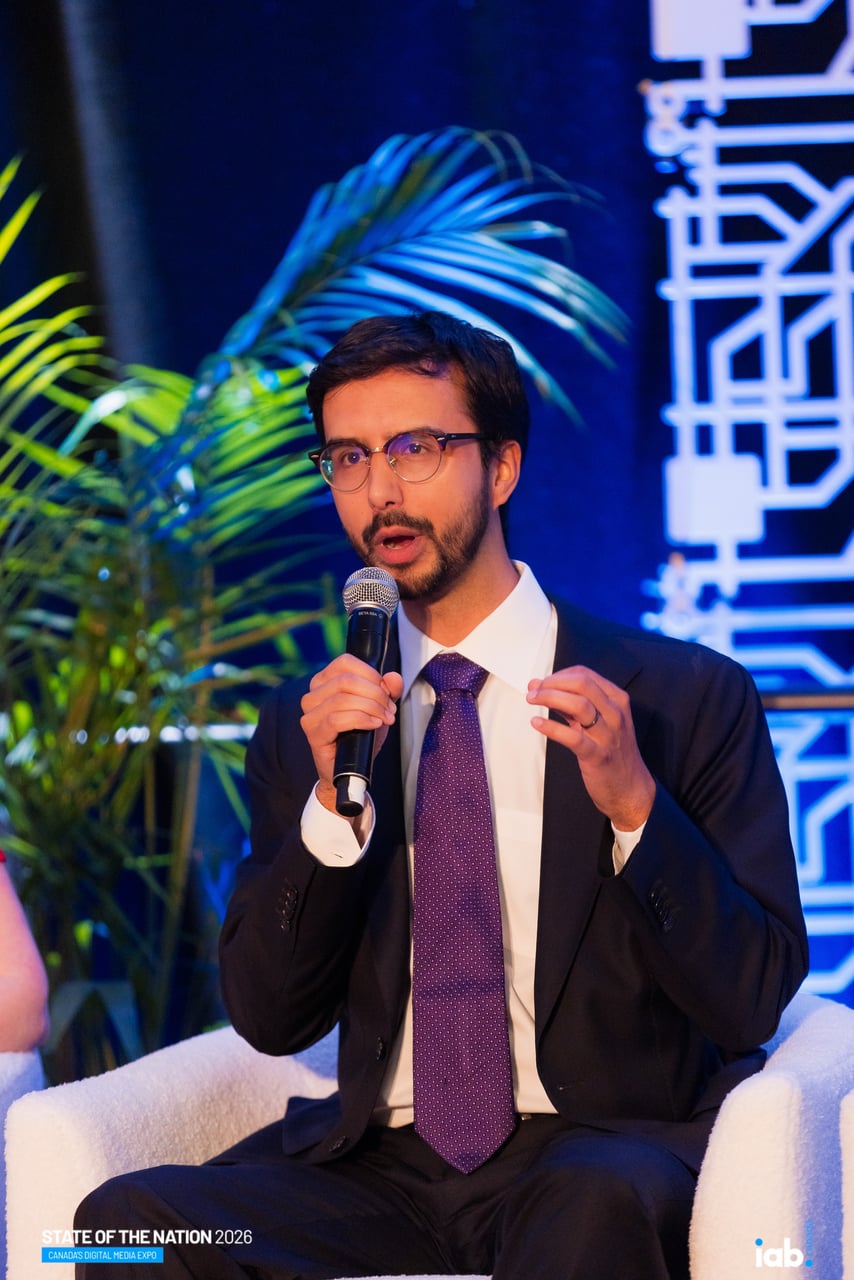
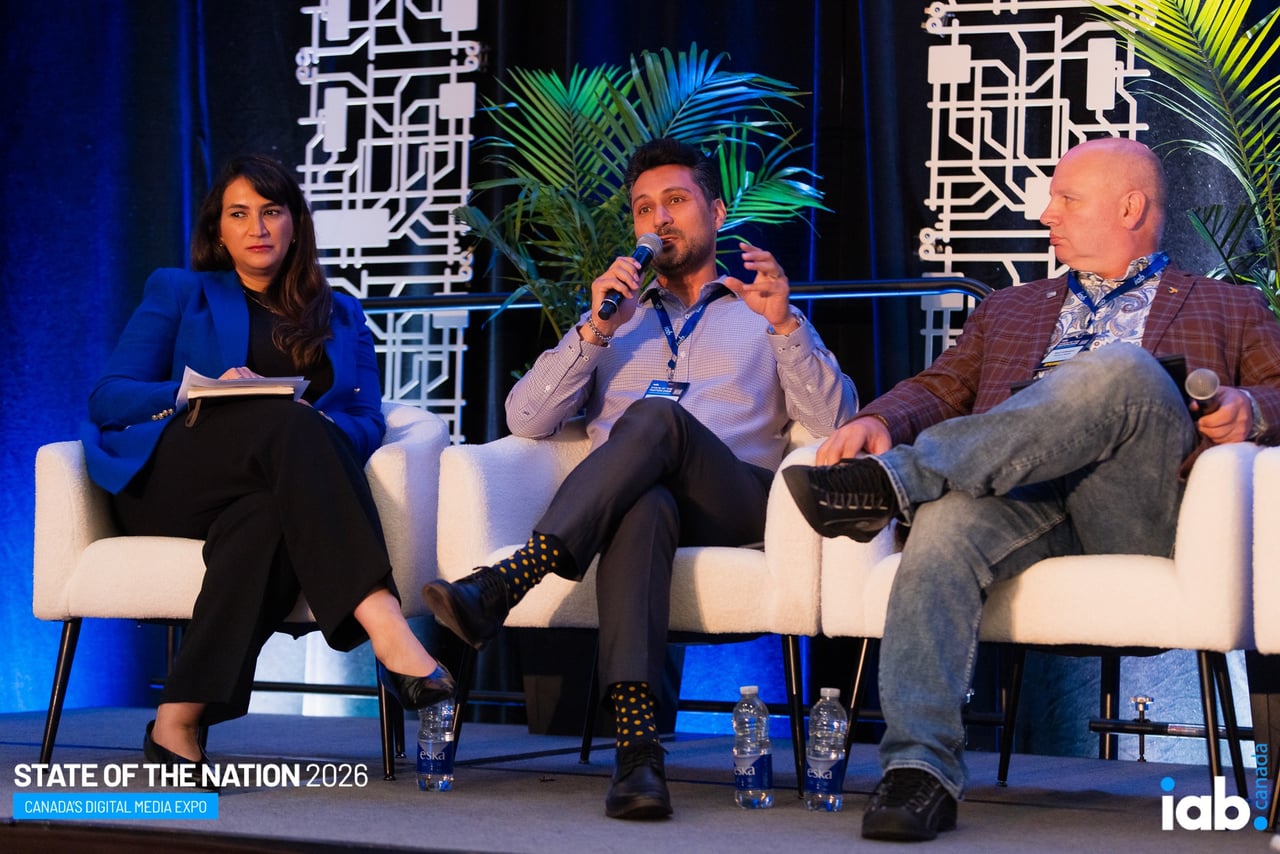
In the lively panel – The Sovereignty Debate: Protectionism, Competitiveness, and Canada’s Digital Future moderated by IAB Canada President Sonia Carreno, panelists explored the risks of relying too heavily on a small number of global technology providers. For Jaxson Khan (Founder and CEO, Aperture AI), sovereignty is not about owning every part of the technology stack. It is about “freedom from coercion” in a highly concentrated and increasingly geopolitical market.
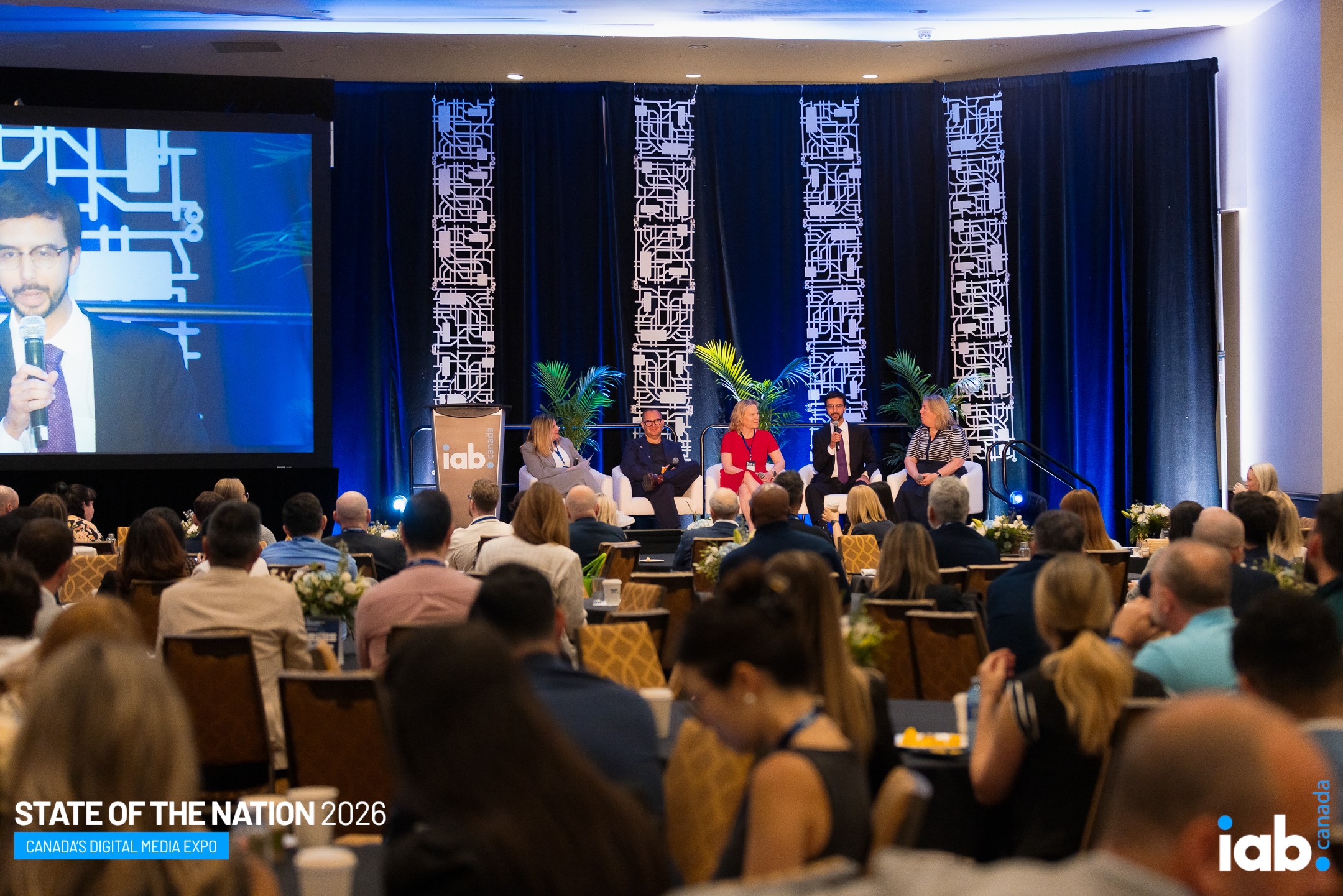
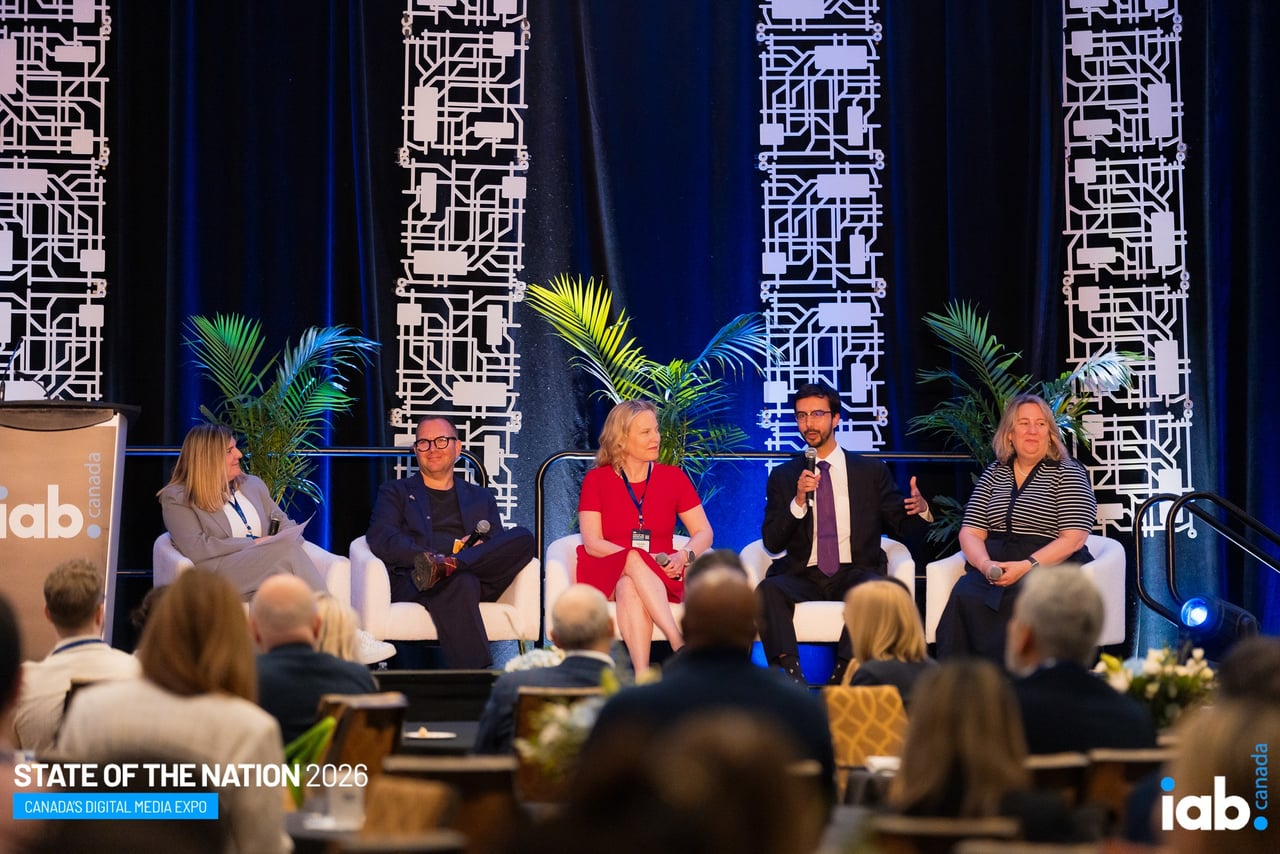

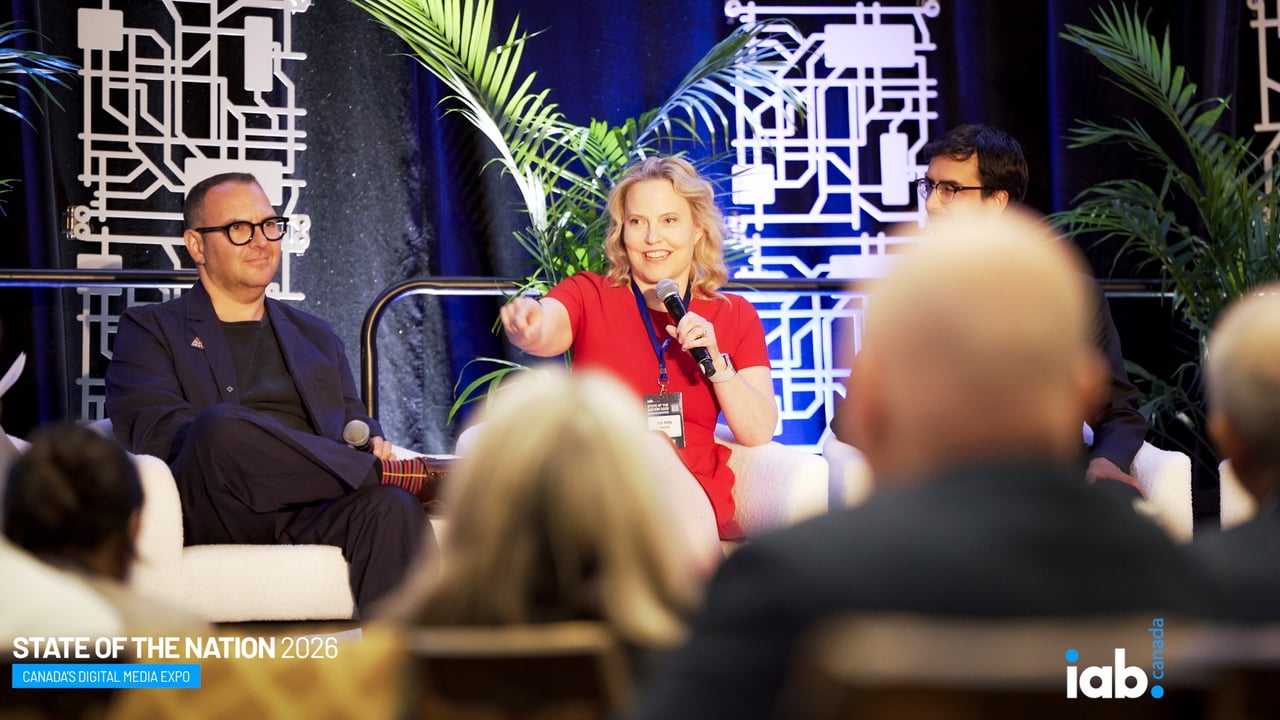
Cory Doctorow pushed the discussion toward economic opportunity, arguing that sovereignty should be connected to practical outcomes for Canadian businesses and consumers. “This is our chance to do something meaningful for economic development,” he said.
The panel also challenged the idea that sovereignty means rejecting foreign technology. Erin Kelly (Co-Founder and CEO, Askpolly) argued that Canada’s real challenge is turning its research strength into commercial success. “We have everything we need in Canada,” she said. The issue, she added, is not size or technical capability, but culture: the ability to take Canadian innovation to market with more confidence and urgency.
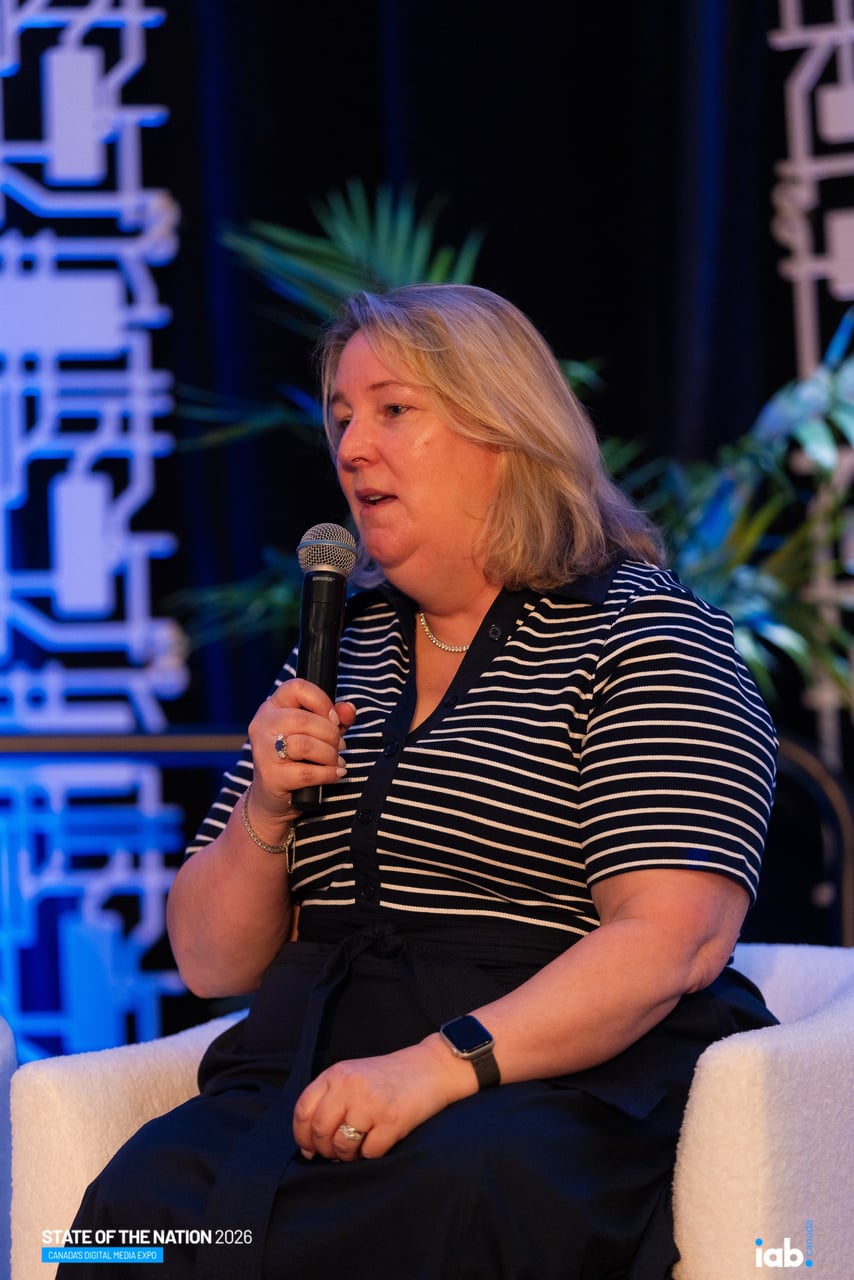
Pam Snively (Chief Data & Trust Officer, TELUS) called for a practical balance. Canada needs to know what must be protected, but it also needs to remain open to global cooperation. “I think we shouldn’t overemphasize sovereignty either,” she said. “It’s absolutely critical for certain aspects of our technology build, but interoperability and global cooperation is equally important.”
That nuance matters for advertising. AI, automation and agentic systems are already becoming part of how media is planned, bought, sold and measured. Waiting is not a realistic strategy. But neither is building every future capability on top of one closed system. For marketers, agencies, publishers and platforms, the priority is to make technology decisions that strengthen the business, reduce unnecessary dependence and build skills that remain valuable even as tools and platforms change.
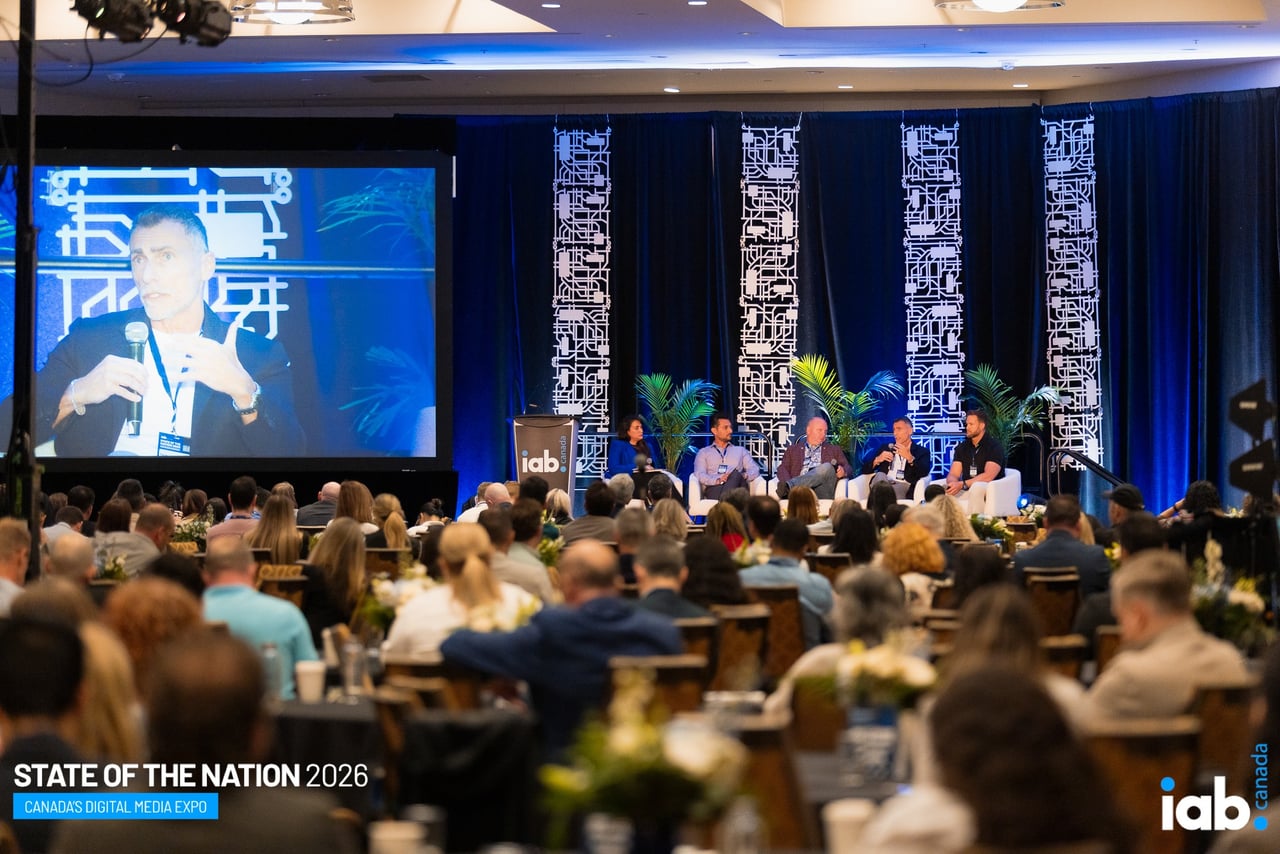
Following the sovereignty discussion, North of Expected: Canadian Innovators Rewriting Media Opportunity moderated by Marwa Abdou (Senior Research Director, Canadian Chamber of Commerce), turned to where Canada can compete. While global platforms dominate on scale, Canadian companies can create advantage through local intelligence, trusted data, measurement expertise and a deeper understanding of Canadian audiences
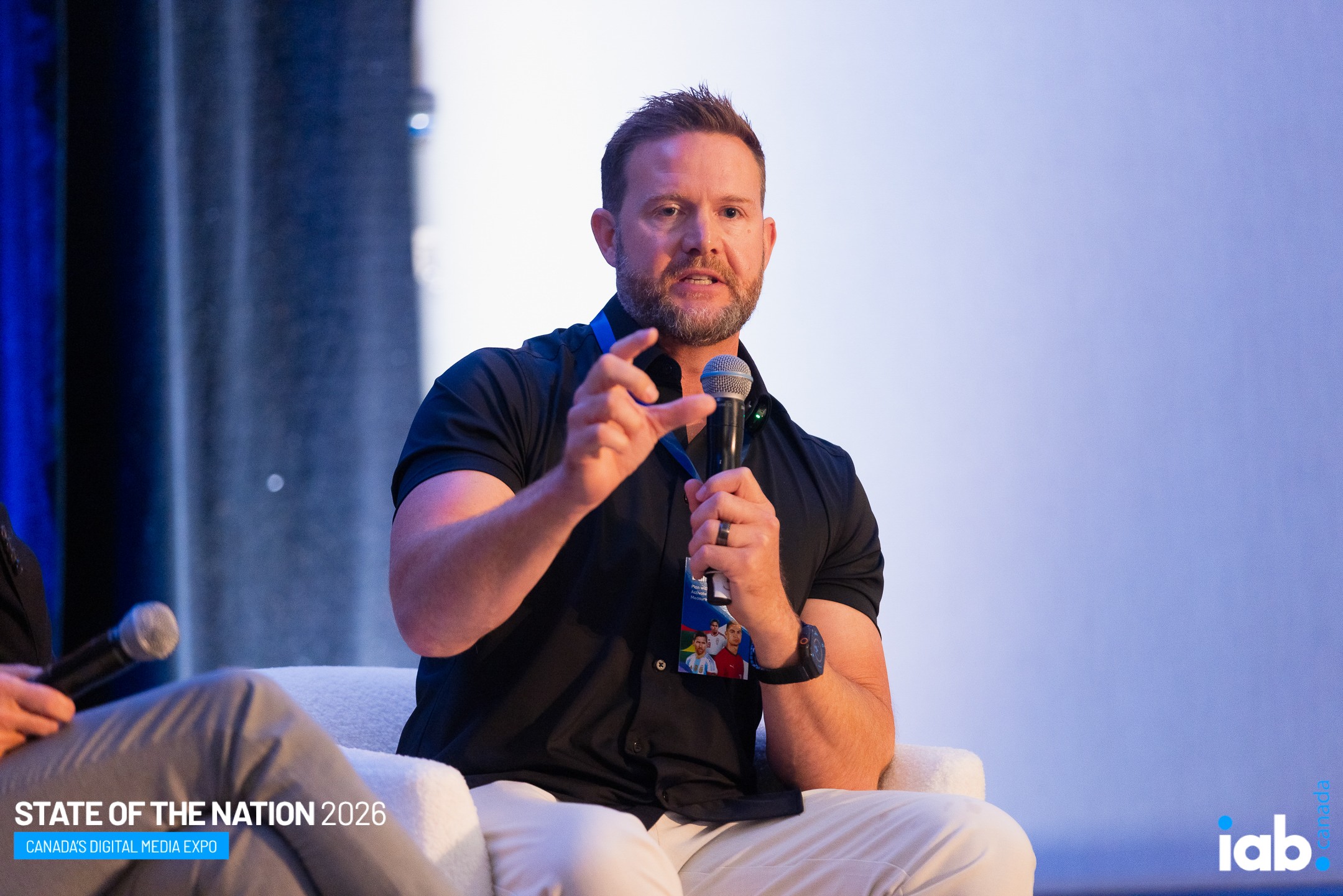
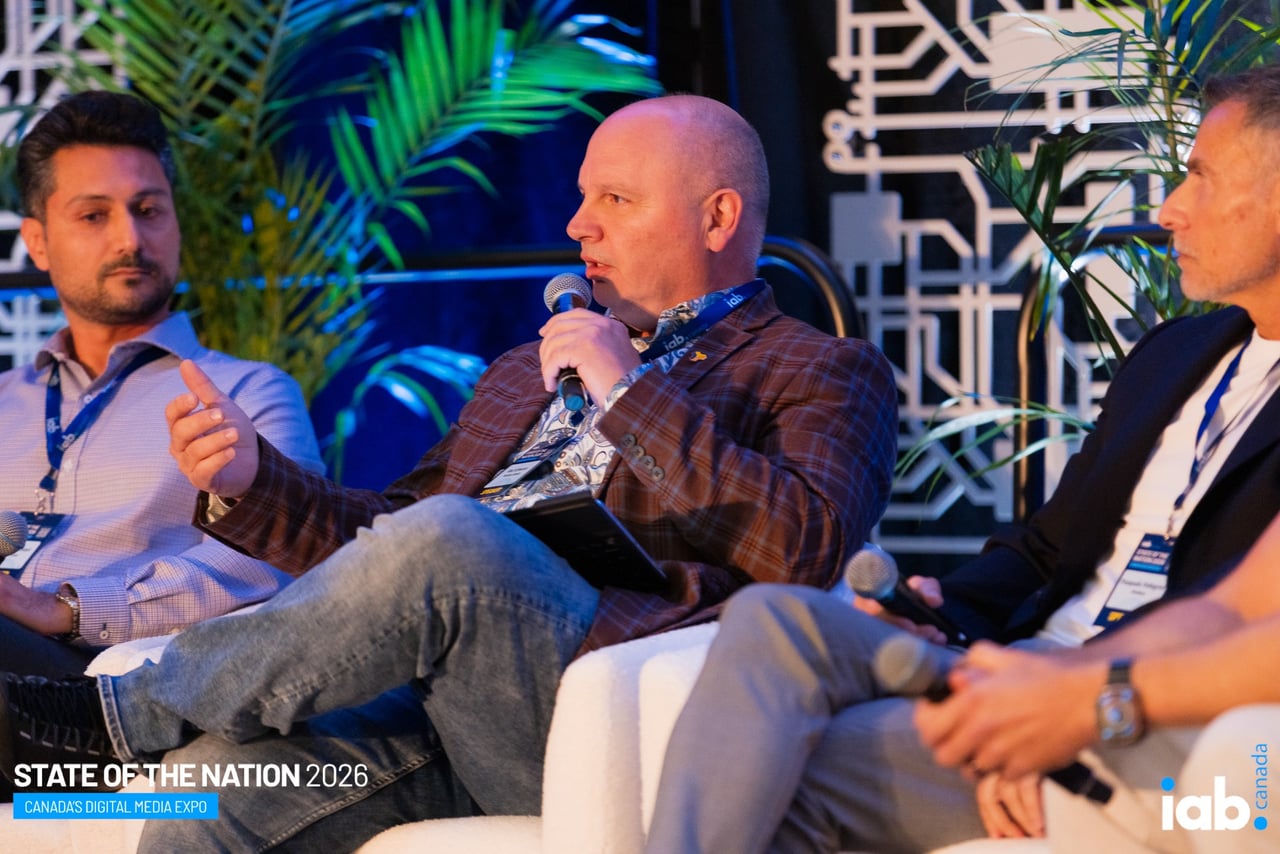
For Noel Geer (CEO & Co-Founder, Connected), one answer is hyperlocal intelligence. With much of retail still happening in physical stores, he argued that marketers are missing a major opportunity to better connect offline behaviour with digital strategy. “Understanding what’s happening in that offline economy and being able to think hyper-localy, is a massive opportunity for the industry,” he said.
Pasquale A. Pellegrini (President & CEO, Vividata) connected that opportunity to measurement. Hyper-local strategies only work if the data reflects real Canadians. “You don’t have to scale to compete with platforms,” he said. “What you have to do is be smarter. You have to outsmart them.”
Rod Schween (President, Pattison Media) added a caution for an industry often focused on technology, efficiency and scale: do not forget the person at the end of the journey. “Attention still has to be earned,” he said. Trust, relevance and connection remain fundamentals, even as the tools change.
That human lens is increasingly important as AI changes how people discover information. Ehsan Mokhtari (CEO & Co-Founder, ArtaSense) described a future where AI agents act as intermediaries, summarizing and recommending information before a consumer ever clicks. For marketers, that changes the assignment. “How can you earn the trust of OpenAI to put you above your competition?” he asked.
Canada’s digital future will depend on the industry’s ability to build capability where it matters, collaborate where it makes sense and compete through trusted data, local understanding and responsible adoption.
These conversations matter because digital advertising plays a direct role in Canada’s economy. It funds content, connects businesses with customers, supports Canadian media and increasingly depends on systems that raise important questions about control, trust and value creation.
“The conversation this morning showed how important it is for our industry to keep bringing different perspectives to the table,” said Sonia Carreno, President of IAB Canada. “Sovereignty is not a simple or settled issue, but it is one we need to face directly as we think about competitiveness, trust and the future of Canada’s digital economy.”
If you missed State of the Nation, visit the IAB Canada Resource Centre to read more about the sessions and conversations from the event.
These conversations are best experienced in person. Join us at upcoming IAB Canada events and be part of the discussion shaping the next era of Canada’s digital advertising industry.