
State of the Nation 2026 reflected a Canadian digital advertising market that is growing quickly, while facing higher expectations for accountability, transparency and business impact. The next phase will depend on how well the industry connects investment to outcomes, technology to trust and innovation to real business value.
That theme carried through three afternoon panels on retail media, the value chain and the changing role of ad tech. Each conversation approached the market from a different angle in the ecosystem, but all pointed to the same priority: better systems, clearer measurement and more accountability.
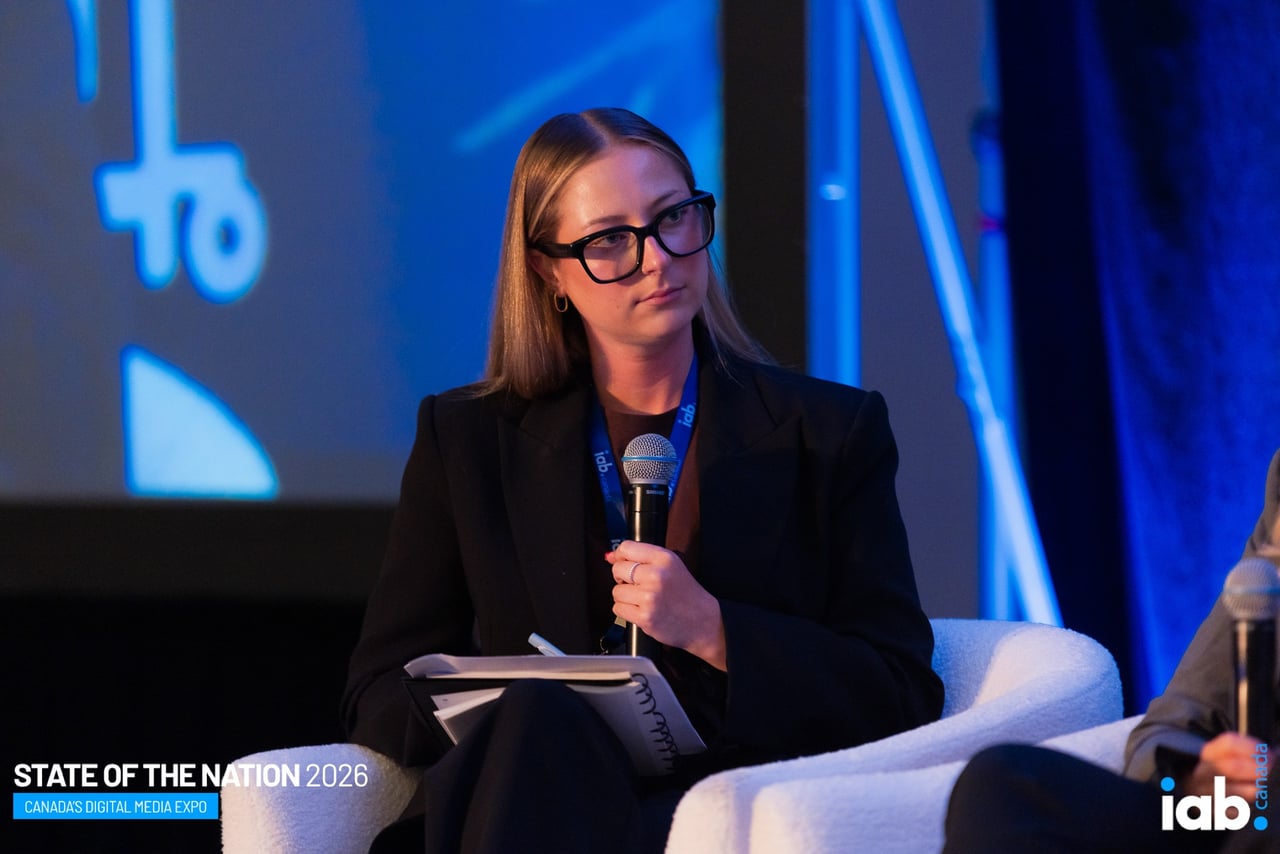
The first panel, Retail Media in Motion: Creating New Value Across the Advertising Supply Chain, moderated by Olivia Mullen (Lead, Media Operations, Time & Space Media), explored how retail media in Canada is moving from test-and-learn activity into a more integrated part of brand, shopper and commerce planning.
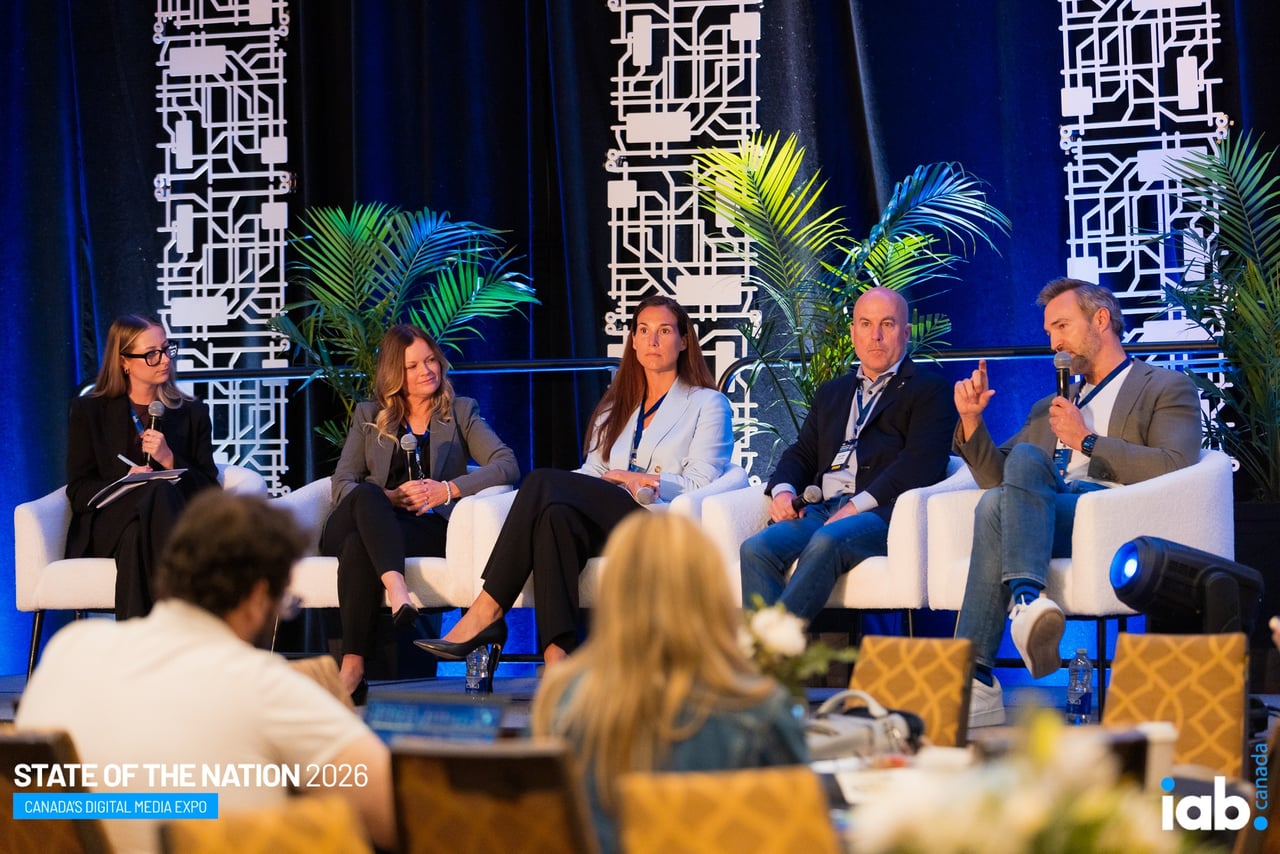
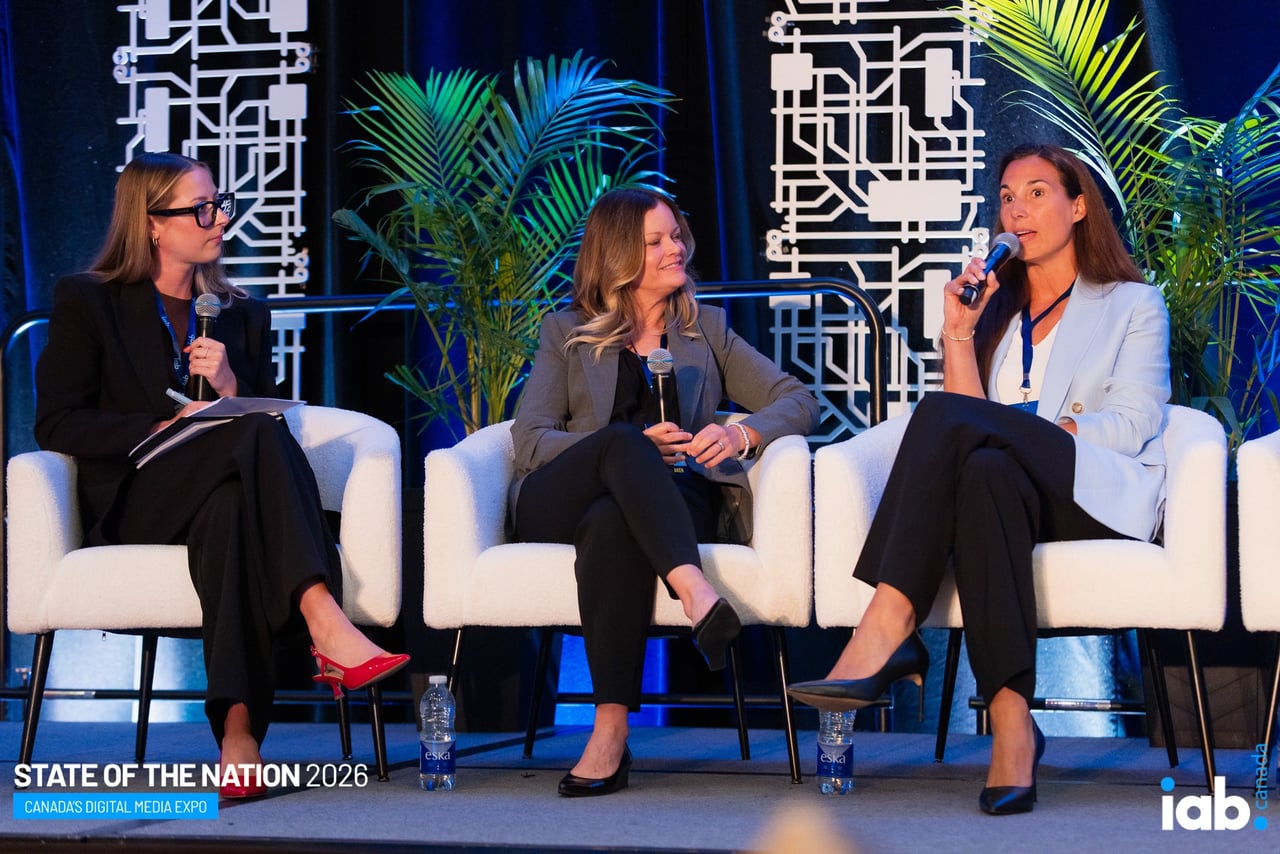
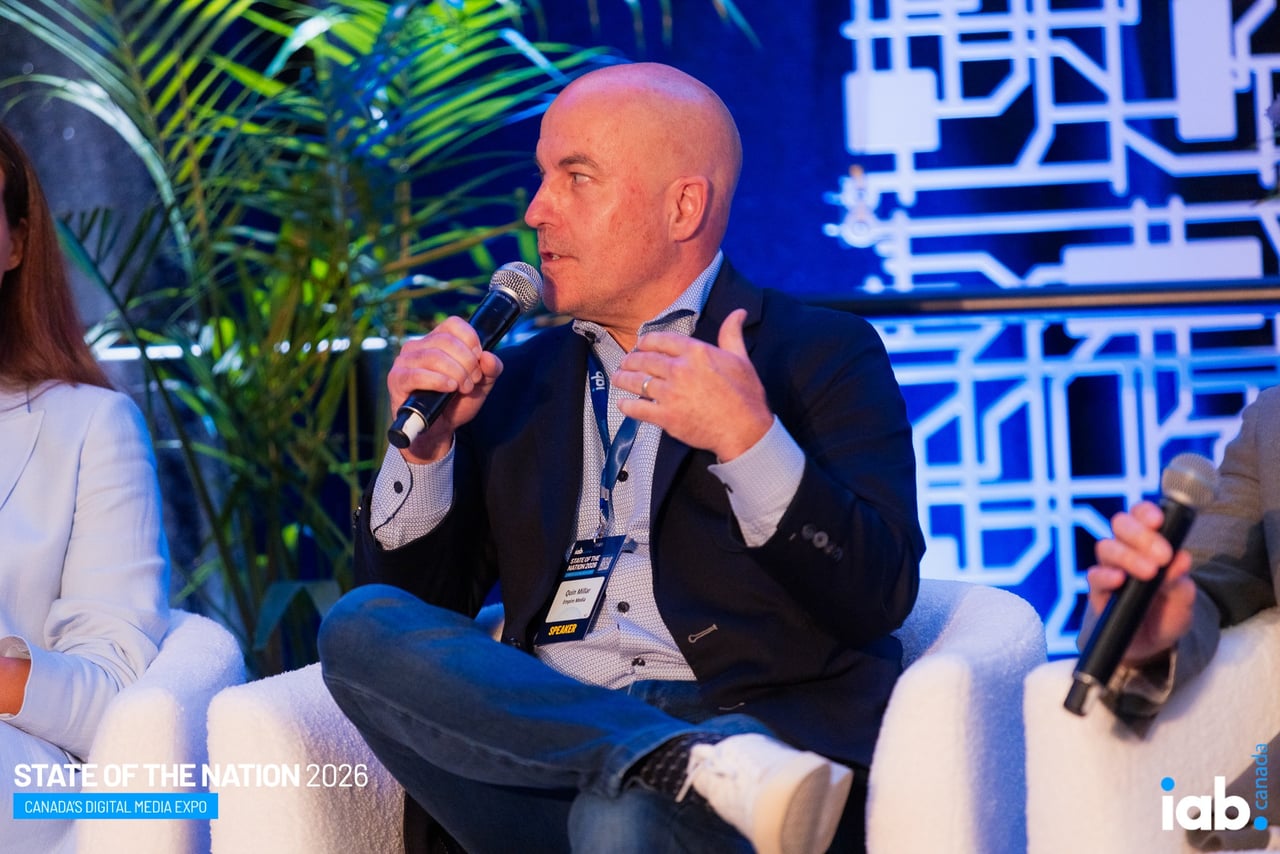
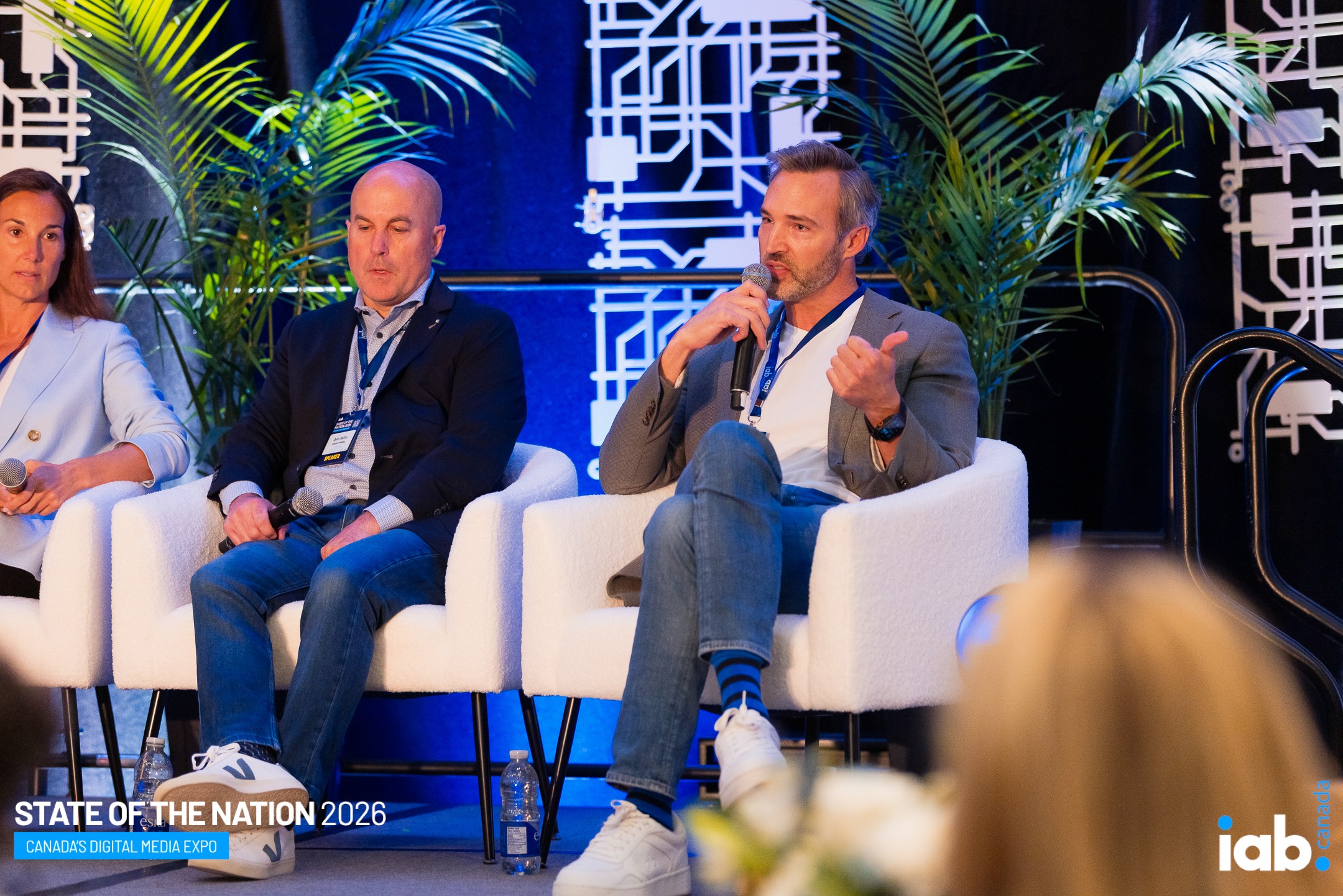
For Ryan Webber (VP, Sales & Client Success, Loblaw Advance), the next stage of retail media depends on using data more effectively and proving its connection to sales. “Leveraging the data, leveraging the insights and leveraging the measurement. That’s really where retail media has an unbelievable unlock,” he said.
Meaghan Brophy (Head of Sales, Walmart Connect Canada) described retail media as “a full omnichannel commerce ecosystem,” with measurement expanding beyond return on ad spend to include new-to-brand sales, lift and incrementality. That evolution is important as advertisers look for stronger proof that retail media is driving business growth, not just lower-funnel conversion.
Quin Millar (Director, Retail Media Sales | Omnichannel Marketing, Empire Company Limited) connected the value of retail media to purchase behaviour. “The most valuable data signal is the human decision to purchase,” he said. The opportunity is to use that signal across digital, loyalty, merchandising and in-store environments in ways that are useful to both brands and customers.
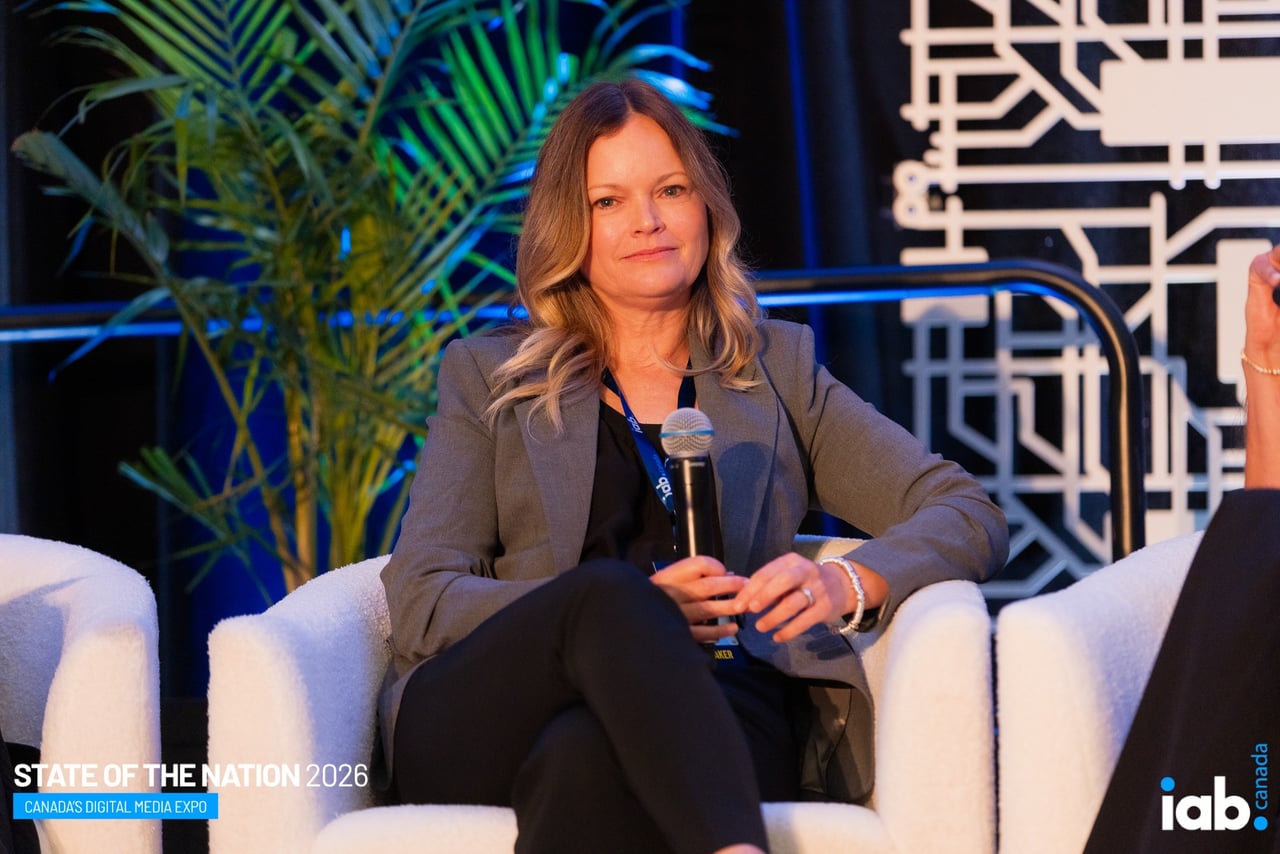
Julie Young (Retail Media Director, PRN) brought the discussion back to customer experience. Retail media can influence decisions close to the point of purchase, but it needs to add value rather than create more noise. “We don’t want to interrupt the customer experience, but we do want to enhance it,” she said. The panel made clear that retail media’s next stage will require more integrated planning across shopper, brand, trade, sales and agency teams. In-store remains a major opportunity, but it will only scale if the industry can connect physical retail media to measurement, sales lift and a more seamless customer journey.
The next panel, The Value Chain Under Pressure, moderated by Paolo Lacuna (Content Lead, IAB Canada), focused on the economics of digital advertising. Privacy, verification, automation and shifting standards are changing how buyers evaluate value. Efficiency still matters, but the industry is being pushed to prove quality, transparency and outcomes with more discipline.
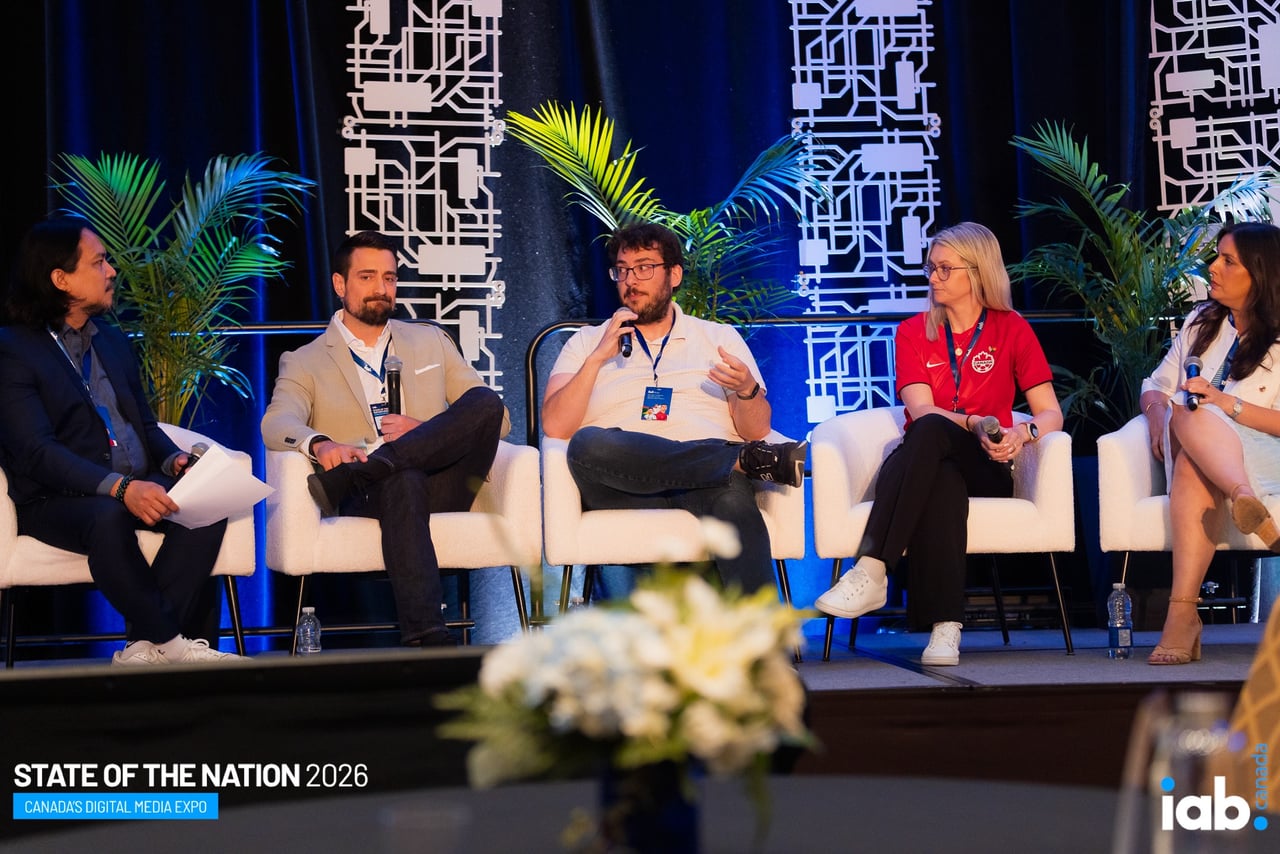
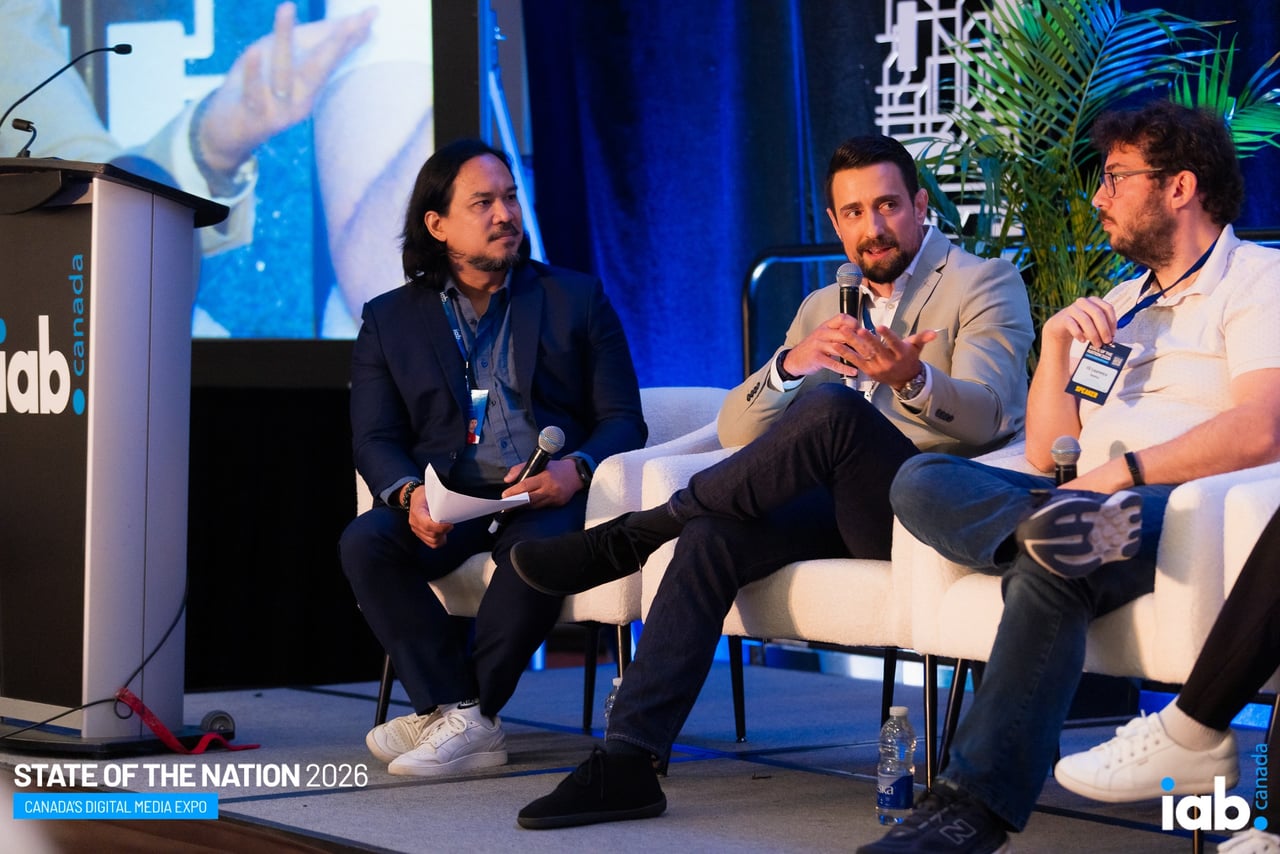
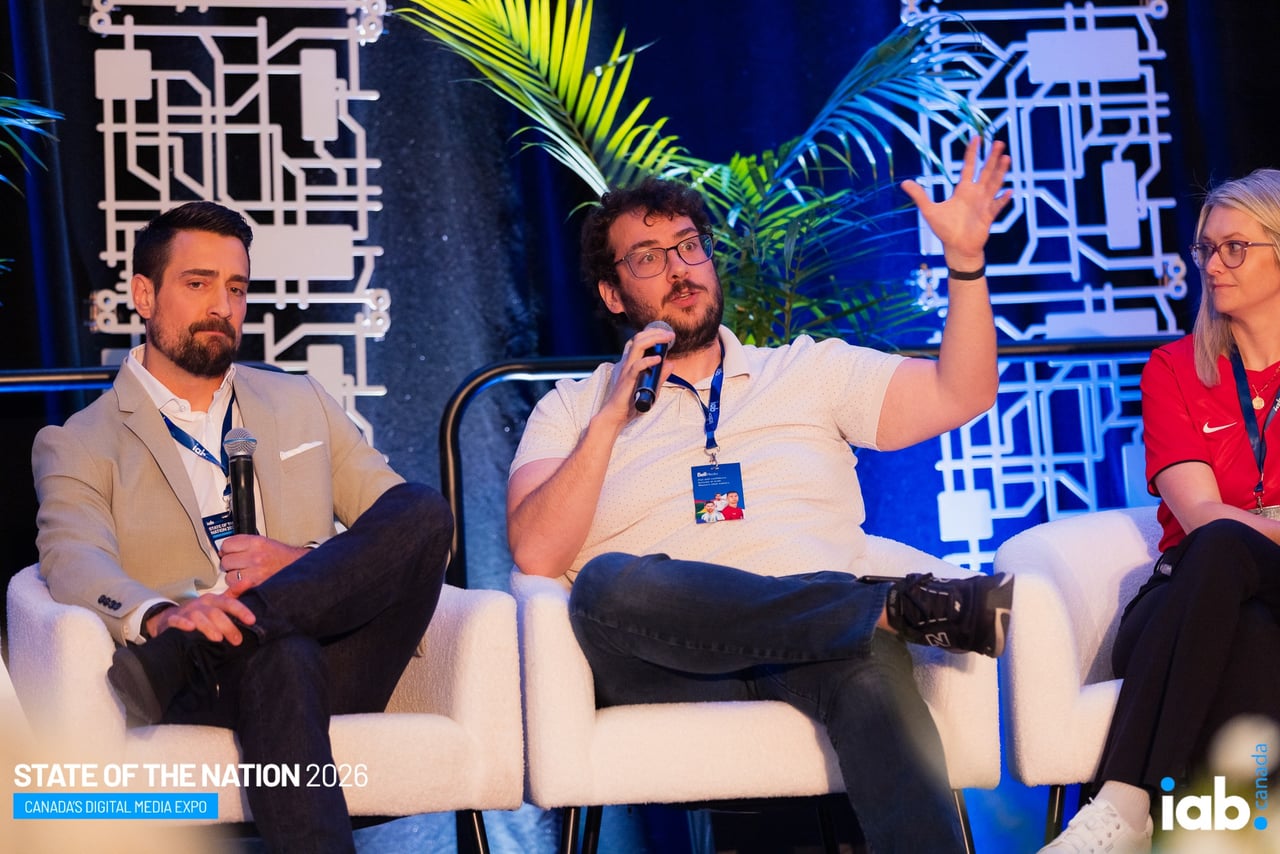
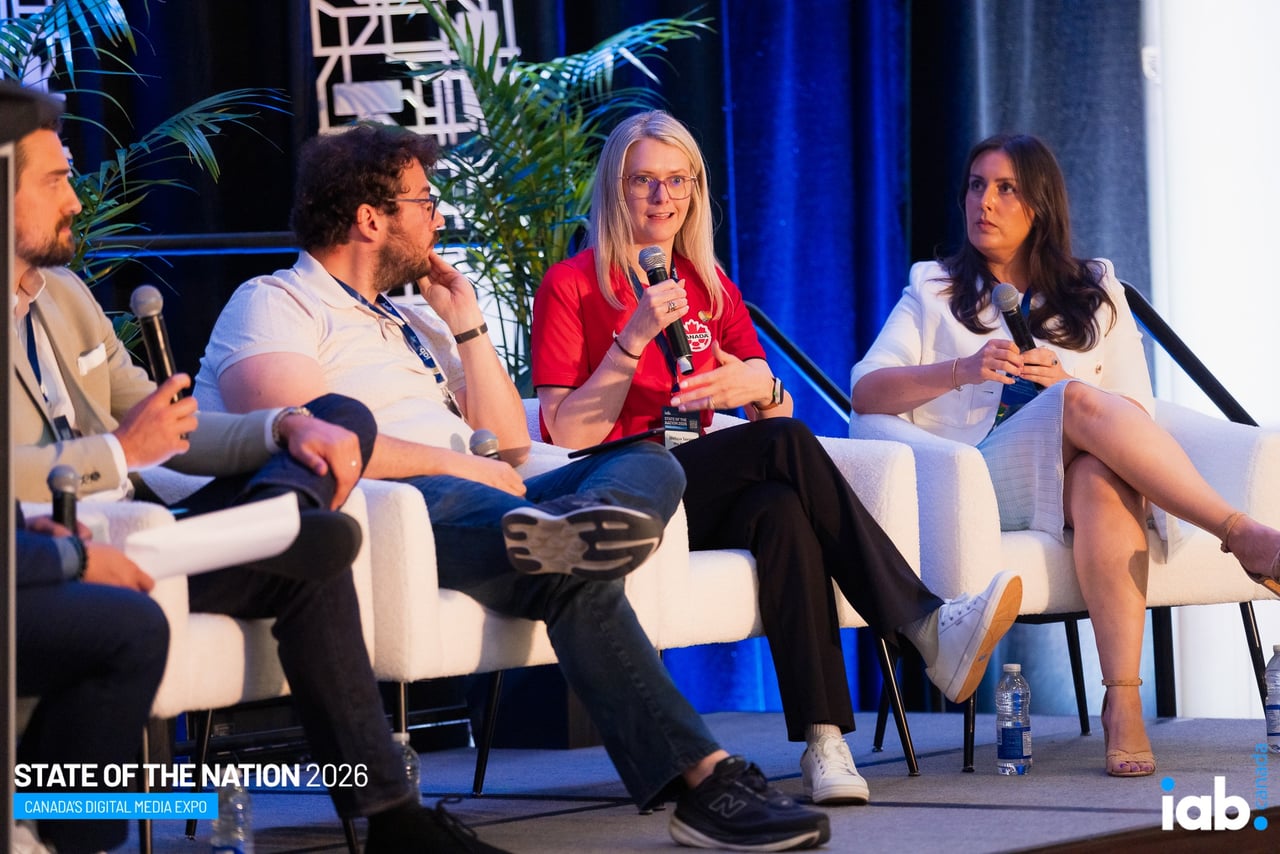
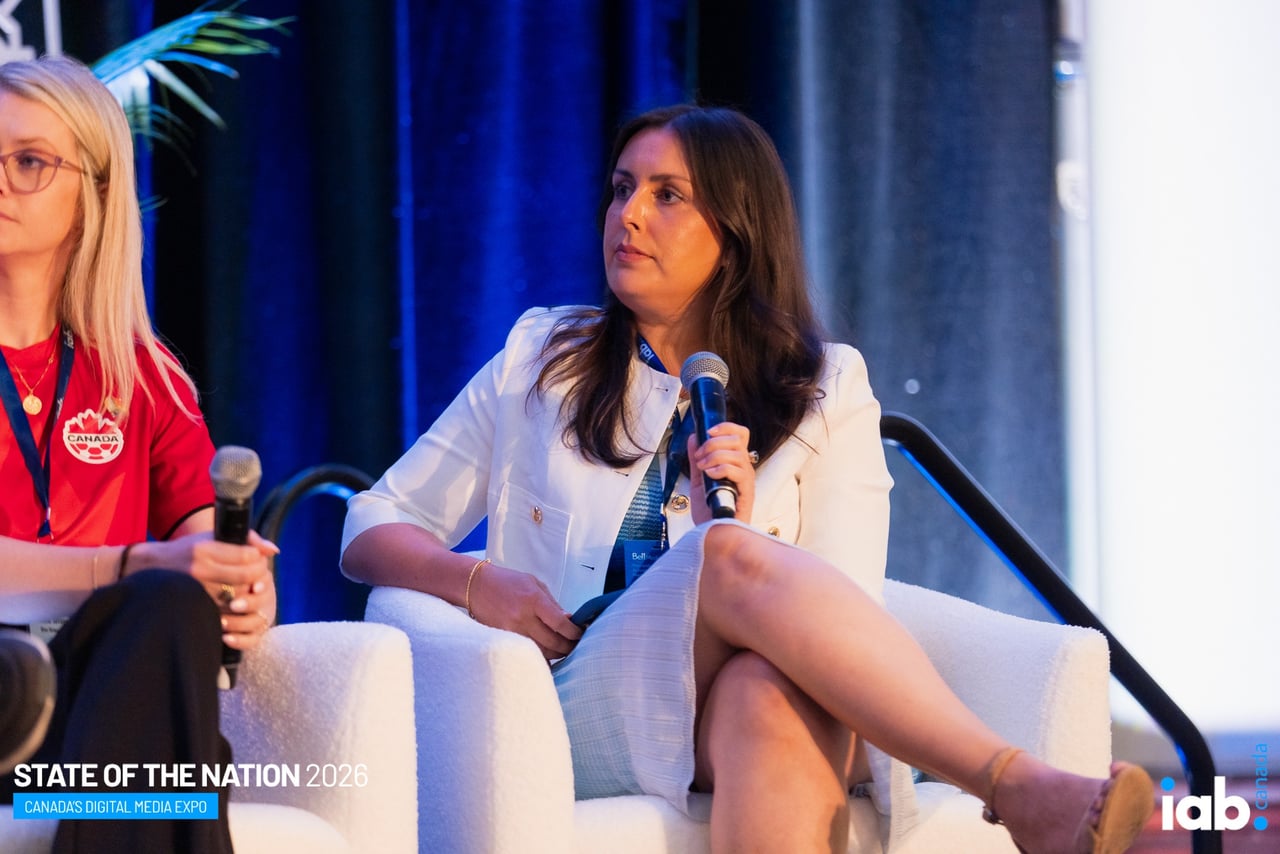
Alun Manton (Sales Director, Integral Ad Science) said the pressure is being felt across the ecosystem, from marketers and agencies to technology providers and publishers. For Canada’s supply chain to remain sustainable, he argued that the industry needs to support trusted environments. “We have to reward quality,” he said.
Fil Lourenco (SVP, Digital, Dentsu) connected the pressure to cost and accountability. With every dollar facing more scrutiny, he cautioned against technology that adds complexity without proving value. “There is a lot of vaporware that is trying to take advantage of that,” he said. The risk is not just wasted budget, but a supply chain where low-cost inventory and unproven tools distract from real business outcomes.
The panel also challenged the industry to look more closely at where Canadian media dollars go. Global platforms continue to capture a large share of spend, often without being held to the same standards as Canadian publishers. Melissa Savage (Director, Media, Blue Rewards) called for better visibility and stronger Canadian infrastructure, asking, “How do we build a more sovereign first-party addressable kind of ecosystem here in Canada?”
AI added another layer to the discussion. The panel saw opportunity in AI, but not without oversight. Melissa was clear that it should not be treated as a cure-all. “It’s not a magic wand,” she said. AI can help analyze large datasets and identify patterns, but human judgment is still needed to understand context and make final decisions.
Sabrina Anand (Country Manager, Canada, Pubmatic) added that AI needs to be transparent and auditable. “You have to be able to see why it made certain decisions and how much those decisions cost,” she said. In a market already concerned about black boxes, AI cannot become another layer that hides how decisions are made.
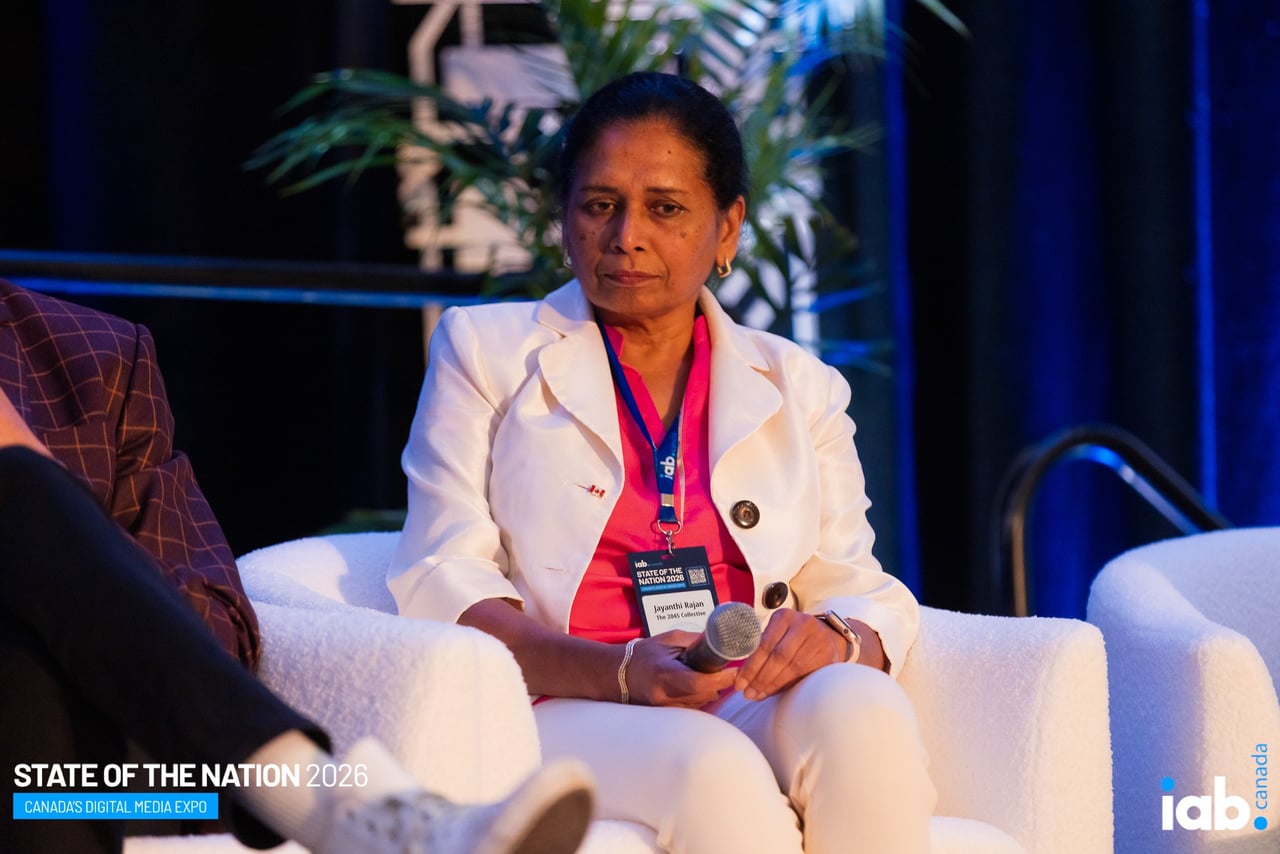
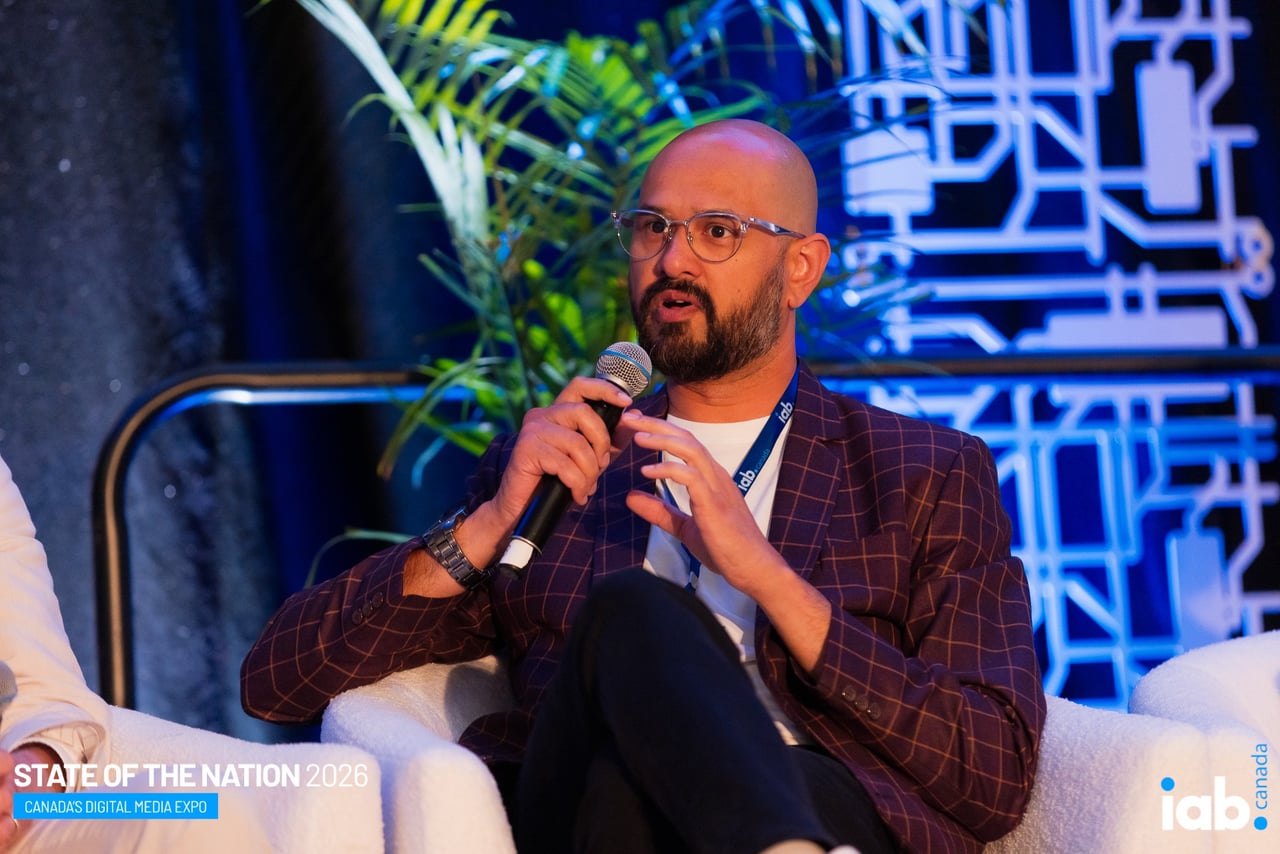
The final panel, From Middleware to Mission Critical, moderated by Shane Cameron (Chief Strategy Officer, Omnicom Media Group), looked at how ad tech itself is changing. As AI becomes more embedded in media workflows, technology partners are moving from back-end infrastructure to a more central role in planning, activation, optimization and measurement.
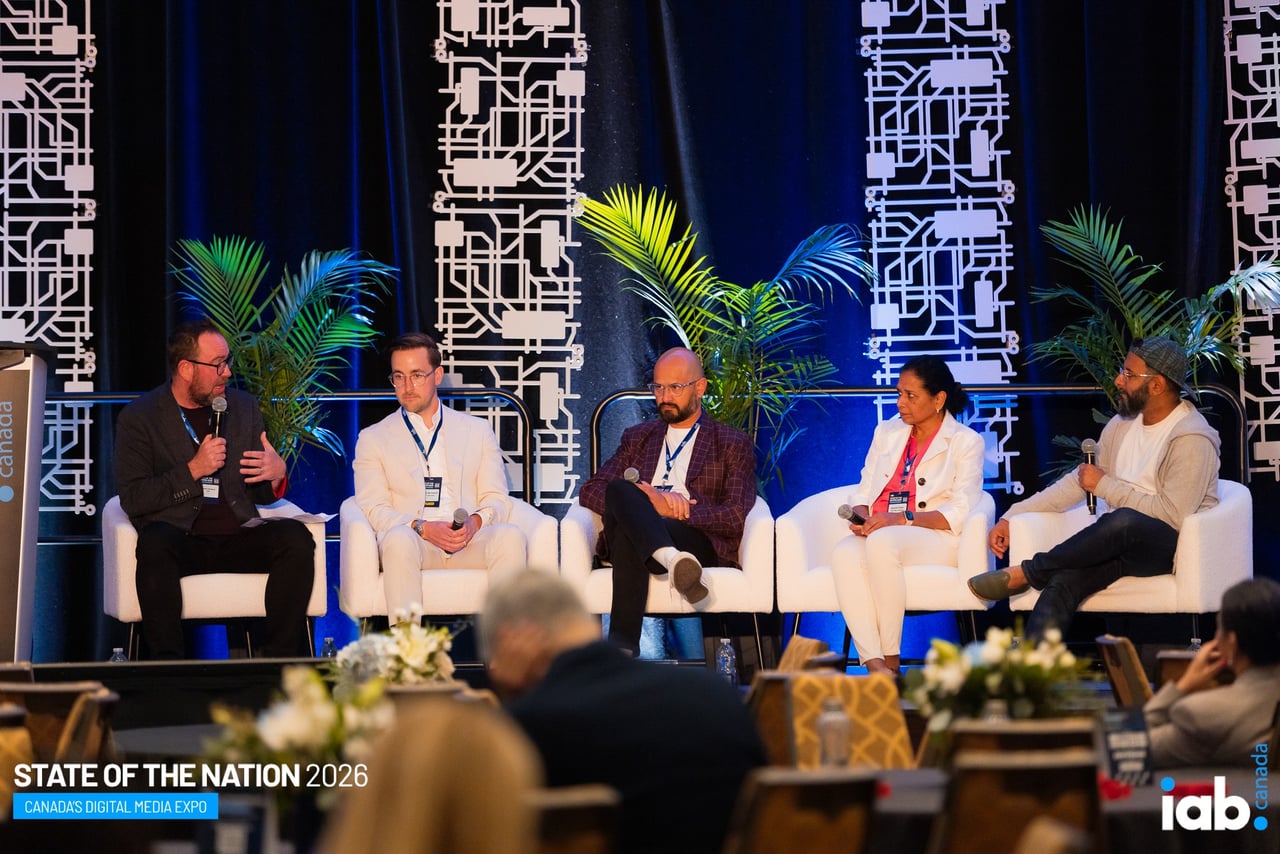
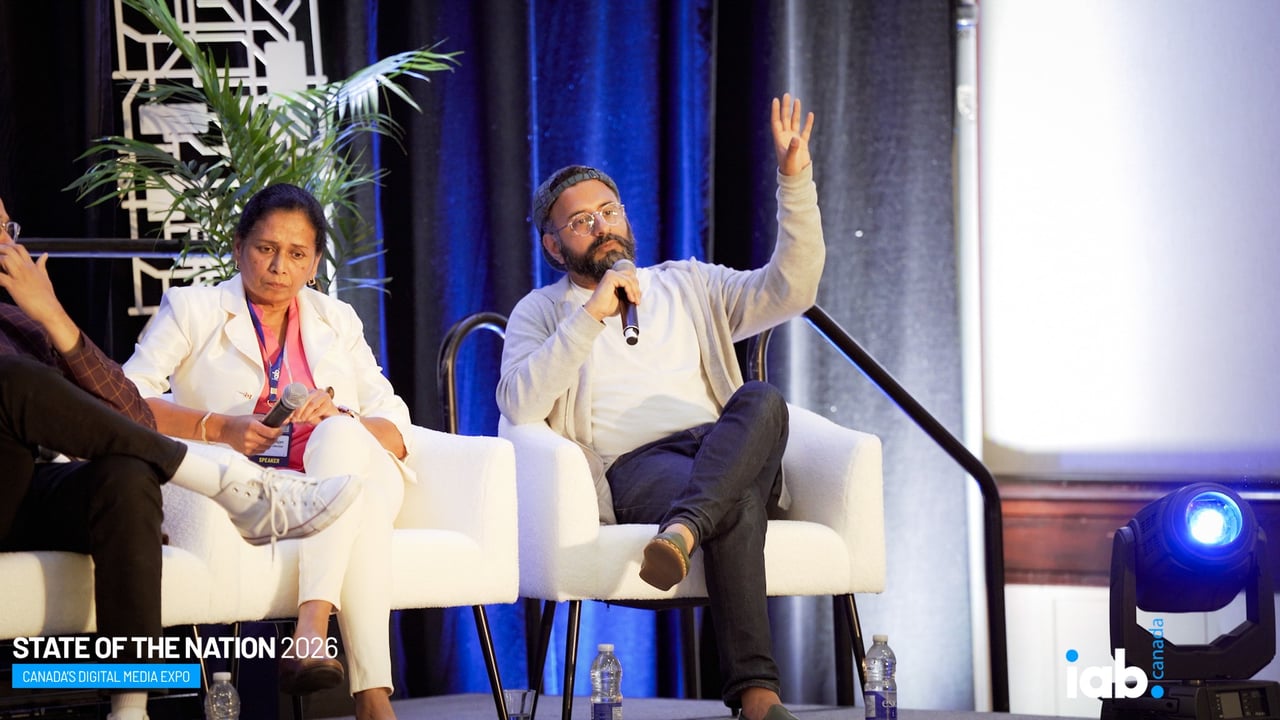
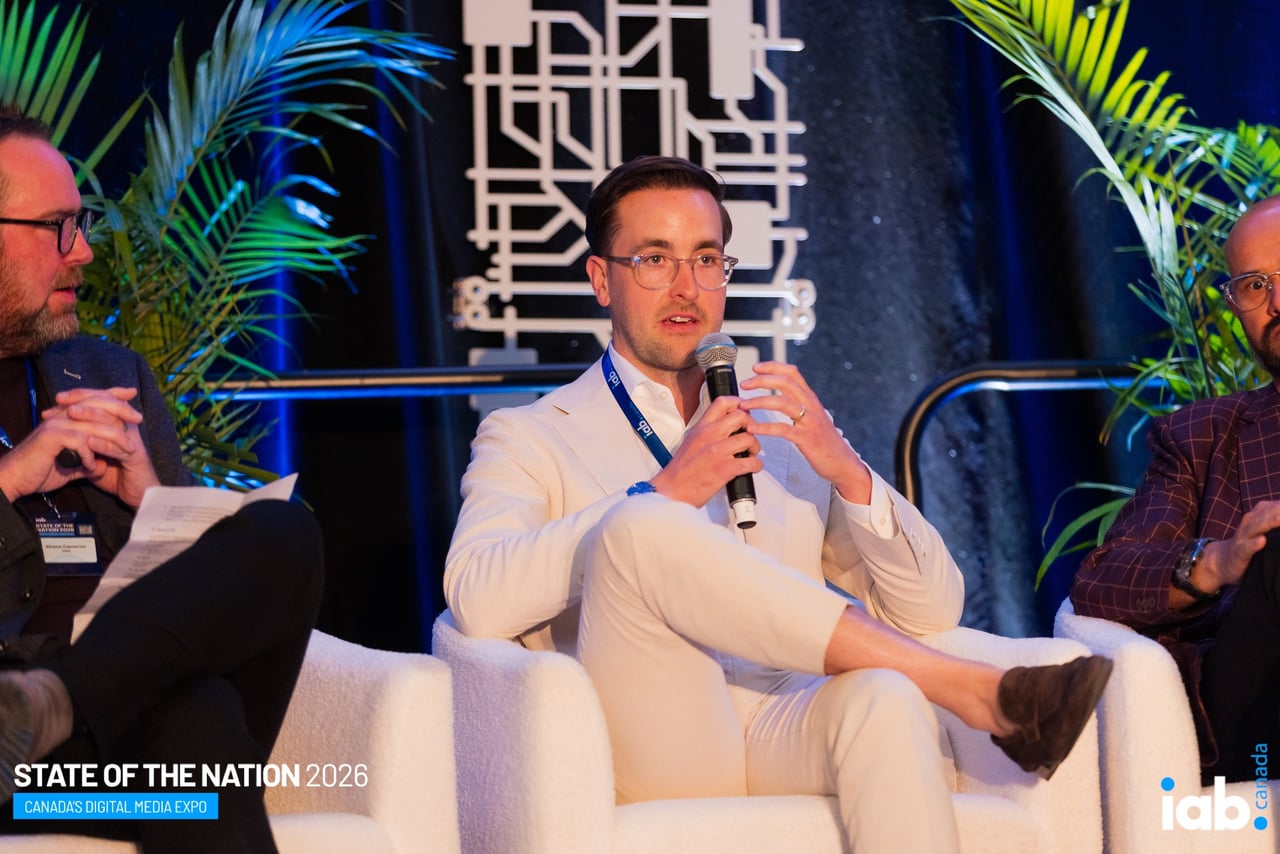
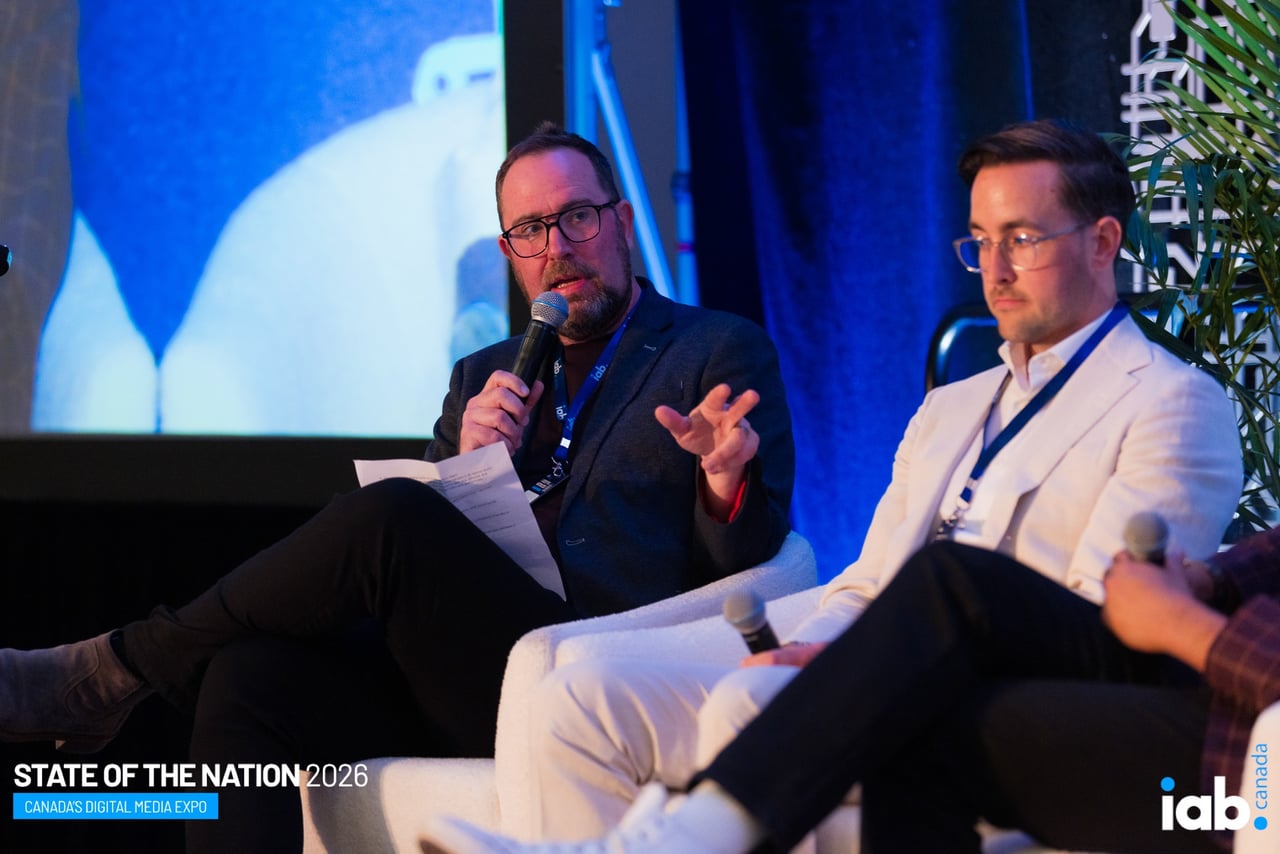
Danny McConnell (Director, Business Development, The Trade Desk) framed the shift around transparency and control. Buyers want to understand how impressions are bought, priced and served, but he argued that ownership is not always the answer. “If we’re able to get more visibility into this supply chain, I don’t necessarily believe that you need to own it,” he said.
Gautham Pingali (Chief Media Officer, WPP Media) brought the agency perspective, noting that AI is now part of nearly every conversation. “AI is ubiquitous. It’s almost like electricity,” he said. But the value is not in technology for its own sake. For agencies, the work is still about using technology to solve client problems and deliver business outcomes.
Jayanthi Rajan (Chief Strategy Officer, 2045 Collective) pushed that point further. As tools become more available and tech stacks begin to look more similar, differentiation will come from judgment and strategic orchestration. “The difference is going to be the judgment,” she said.
Saad Uddin (Co-founder and CEO, Native Touch) described how quickly AI is changing product development. “Roadmap to me sounds like 12 months, 24 months, but really we can go to market within three months, within a few weeks,” he said. For startups, that speed creates pressure, but also opportunity, especially in areas like measurement, fraud and fragmented ecosystems.
The panel also pointed to more convergence between DSPs and SSPs, with workflow likely becoming more connected over time. That could create a more efficient supply chain, improve frequency management and help publishers sell based on premium outcomes rather than simply higher CPMs.
Together, the three panels showed an industry moving from growth to discipline. Retail media needs to prove its value across the full customer journey. The value chain needs to reward quality and transparency. Ad tech needs to become more interoperable, auditable and useful.
For Canada, the opportunity is to build a digital advertising marketplace that is not only larger, but stronger: one that supports Canadian media, gives buyers better visibility, helps brands connect with customers and applies technology with purpose.
State of the Nation brings these conversations together because they cannot be solved in isolation. Retailers, agencies, publishers, platforms, brands and technology partners all have a role in building a more accountable market.
Visit the IAB Canada Resource Centre to read more from State of the Nation 2026, and join us at upcoming IAB Canada events to be part of the conversations shaping what comes next.