
Live events change how people move through cities, neighbourhoods, and public spaces.
A concert can fill transit routes, restaurants, and nearby retail areas. A playoff game can bring fans into arena districts, bars, and downtown corridors. A festival can turn streets into gathering places. A conference can bring business audiences through airports, hotels, office towers, and convention centres.
For advertisers, those patterns matter. Live events create real-world audience signals: where people are going, what they are gathering around, and what kind of moment they are part of.
Digital Out-of-Home gives brands a way to respond in places where the audience is already active, visible, and connected to the environment.
Live Events Create Local Relevance
Live events can change the feeling of a city, neighbourhood, or community for a period of time.
A major game can bring anticipation to a downtown core. A music festival can create activity across streets, transit routes, restaurants, and retail spaces. A cultural event can draw attention to a community and the places where people gather. A conference can bring a professional audience into nearby business districts.
DOOH is well suited to these moments because it is part of the physical environment. Screens can appear along the routes people take, near the places they gather, and in spaces where event-related activity is already happening.
When a message reflects the timing, location, or surrounding energy of a live event, it can feel more connected to the moment people are experiencing.
COMMB recently highlighted this connection in the context of FIFA, noting that nearly every fan who attended a match after seeing an OOH ad spent money locally. OOH supports retail activity across local businesses and communities that surround major events.
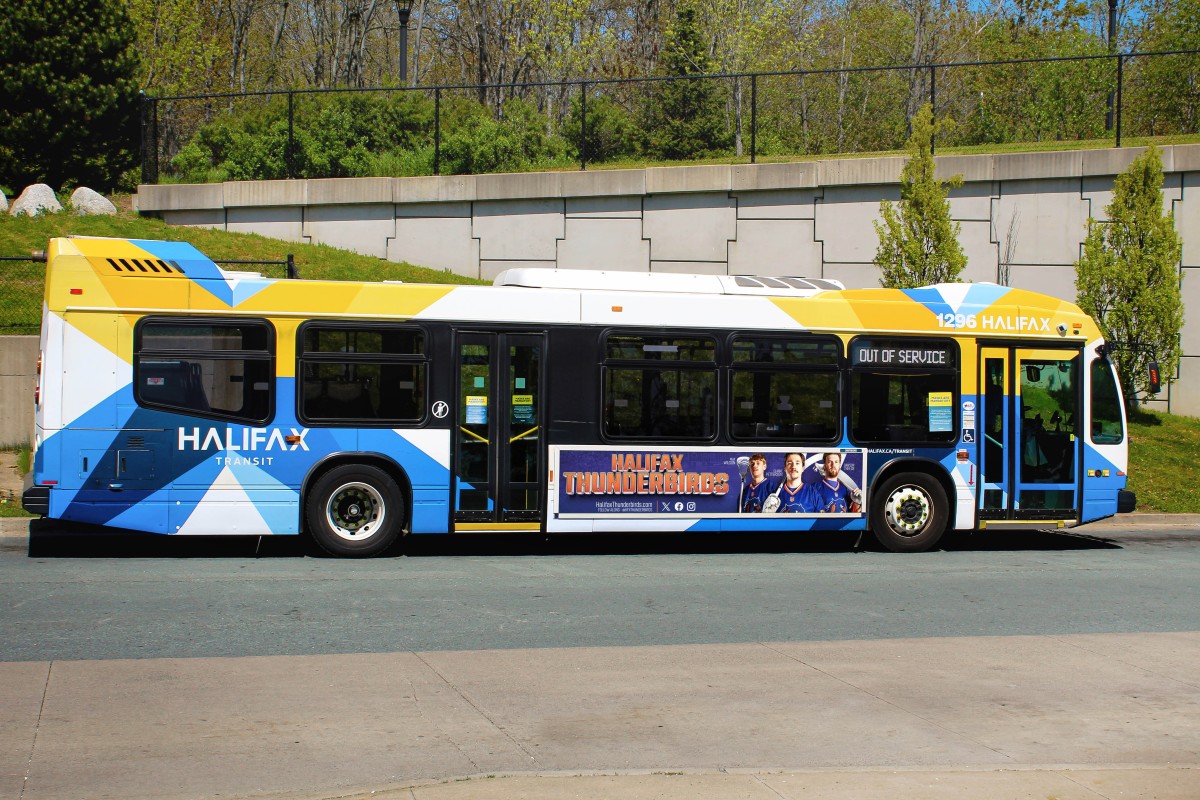
PATTISON | Halifax Thunderbirds
A PATTISON Outdoor Proprietary Recall Tracker Study shows how multi-format OOH can support local fan engagement around a live sports team. The campaign used digital horizontal posters and exterior transit across the Halifax CMA, with 37% campaign recall among Halifax Residents, 6 points above PATTISON’s product recall benchmark. Parents with kids under 18 years old (53%) and Transit Riders (47%) also strongly recalled seeing it. Among those who recalled seeing the campaign, 71% took an action, including attending a game, watching a game, visiting the team website, purchasing tickets, or buying merchandise.
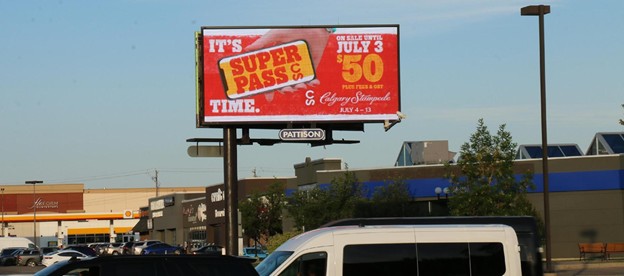
PATTISON | Calgary Stampede
Over 1 in 3 Calgary residents recalled seeing the Stampede 3D Digital OOH campaign, according to a PATTISON Outdoor Proprietary Recall Tracker Study conducted in July 2025. Recall was especially strong among downtown Office Workers and weekly Transit Riders, showing how DOOH can reach audiences as they move through a city-wide event environment. Among those who recalled seeing the campaign, 69% took an action, including purchasing event tickets, searching for more information, following the Stampede on social media, or sharing the ad.
DOOH Follows the Audience
Live event audiences move before, during, and after the main moment.
Some people are going directly to the venue. Others are meeting friends, watching from bars or restaurants, visiting retail areas, attending community gatherings, or moving through high-traffic public spaces connected to the event.
The opportunity also extends beyond sports. Live events can include album drops, fan experiences, premieres, festivals, cultural celebrations, conferences, and community moments. Major music releases show how OOH can help turn a launch into a shared public experience. As highlighted in The Drum, artists such as Taylor Swift, Justin Bieber, and Charli XCX have used billboards, murals, QR codes, and city-specific placements to build anticipation, encourage fan discovery, and spark online conversation.
DOOH helps advertisers show up in these environments with messaging that reflects where people are and what may be relevant in that moment.
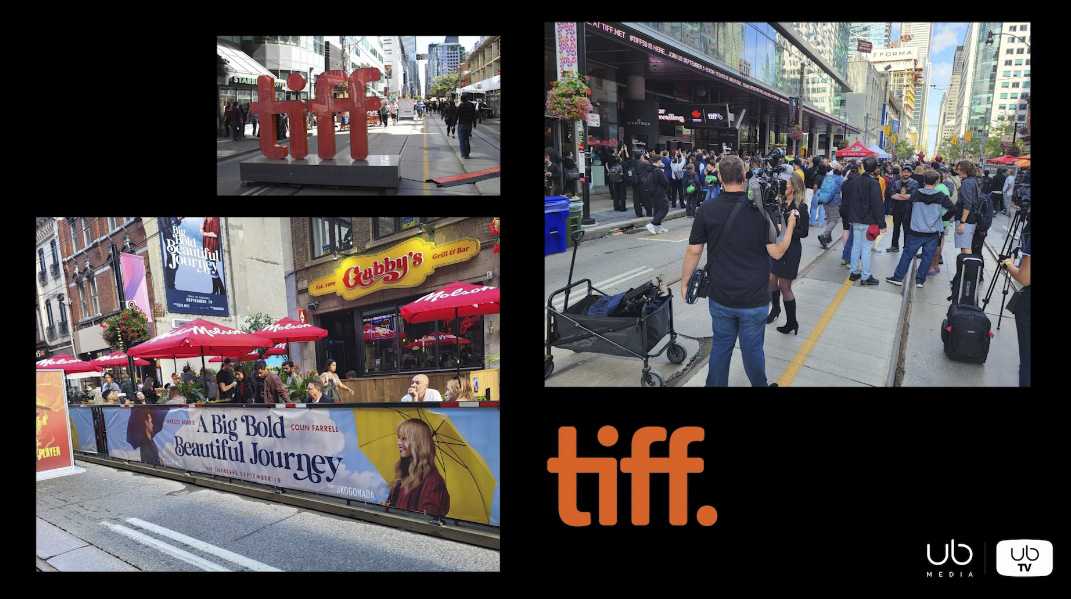
UB Media and Sony - A Big Bold Beautiful Journey
UB Media and UM brought Sony Pictures’ A Big Bold Beautiful Journey to life during TIFF with bold patio banners on King Street and indoor digital screens featuring the full trailer. Placed in the heart of the festival action, the campaign immersed audiences and made a big, bold statement.
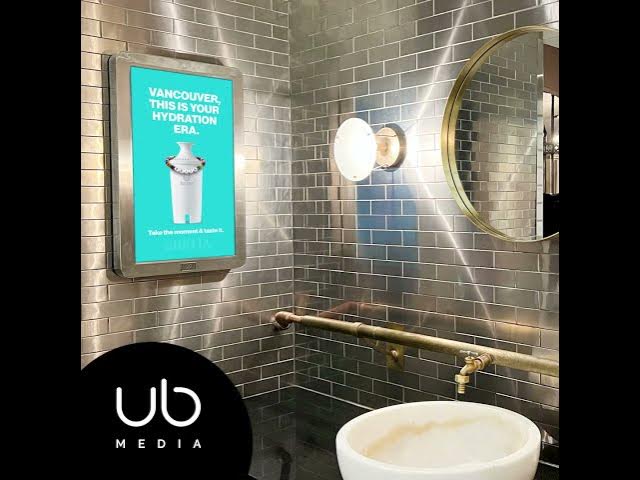
UB Media and Brita
UB Media partnered with OMD Canada and Brita to get Swifties hydrated during their Hydration Era! Brita ads ran in UB Media's Restobar network in both Toronto and Vancouver during Taylor Swift's Eras Tour.
Creative Can Respond to the Moment
One of DOOH’s strengths is that the message can change as the context changes.
Before an event, people may be commuting, shopping, meeting friends, or deciding where to eat. During and after the event, audiences may continue through restaurants, bars, retail environments, transit, hospitality, and neighbourhood corridors.
Creative can change by time of day, weather, location, screen environment, venue proximity, traffic flow, or audience context. Programmatic DOOH adds more flexibility, allowing campaigns to adjust across different locations and moments.
It can also respond to live event data. In sports, DOOH creative can incorporate real-time updates such as matchups, live scores, and game results.
Event-aware creative can reflect what people are about to attend, what they are currently following, or what they have just experienced. That makes the interaction feel more timely and less generic.
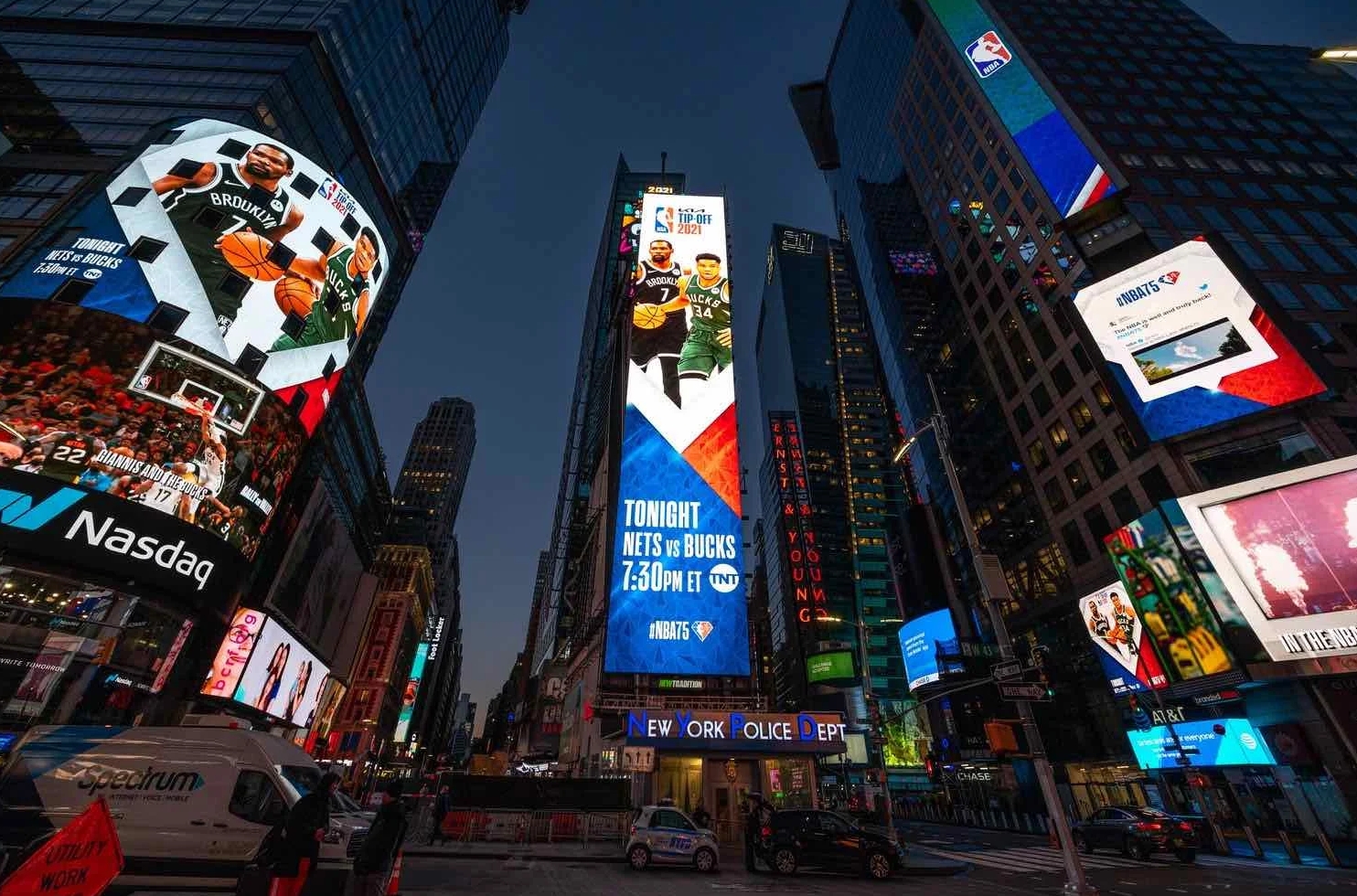
Vistar Media | NBA
The NBA, Rapport, and Vistar Media used a 10-week programmatic DOOH campaign with geo-targeting and dynamic creative across playoff team markets. Creative responded to local matchups, real-time scoring, hometown victories, moderated tweets, and game-time countdowns, while programmatic flexibility allowed screens to activate or deactivate as teams advanced or were eliminated. The campaign drove a 7% lift in awareness, 25% lift in consideration, and 25% lift in tune-in intent.
From Movement to Media Opportunity
Live events give advertisers a clear view of how audiences move through the real world. DOOH helps turn that movement into media opportunities across the places people actually go. Live event scenarios show how the channel can connect brands with audiences through geography, timing, environment, creative flexibility, and local relevance.
As advertisers look for more relevant ways to reach people outside the home, live event scenarios should be part of the DOOH conversation.
This article was written with the support of the IAB Canada Digital Out-of-Home Committee.
Interested in helping shape the conversation around Digital Out-of-Home in Canada? Join the IAB Canada Digital Out-of-Home Committee to connect with industry peers, contribute to education and thought leadership, and support the continued growth of DOOH across the Canadian market.