
State of the Nation 2026 reflected a media market where attention is no longer concentrated in one place. Audiences are moving across streaming platforms, public spaces, social feeds, podcasts, connected vehicles, retail environments and more often within the same day.
Advertisers need media plans that reflect how each environment earns attention, builds trust and contributes to measurable outcomes.
The first panel, Connected by Design: The Future of Premium Video Advertising, moderated by Sue Haas (Chief Growth Officer, Numeris and NLogic), explored how connected TV is reshaping the video buy as audiences move between traditional television, streaming and digital platforms.
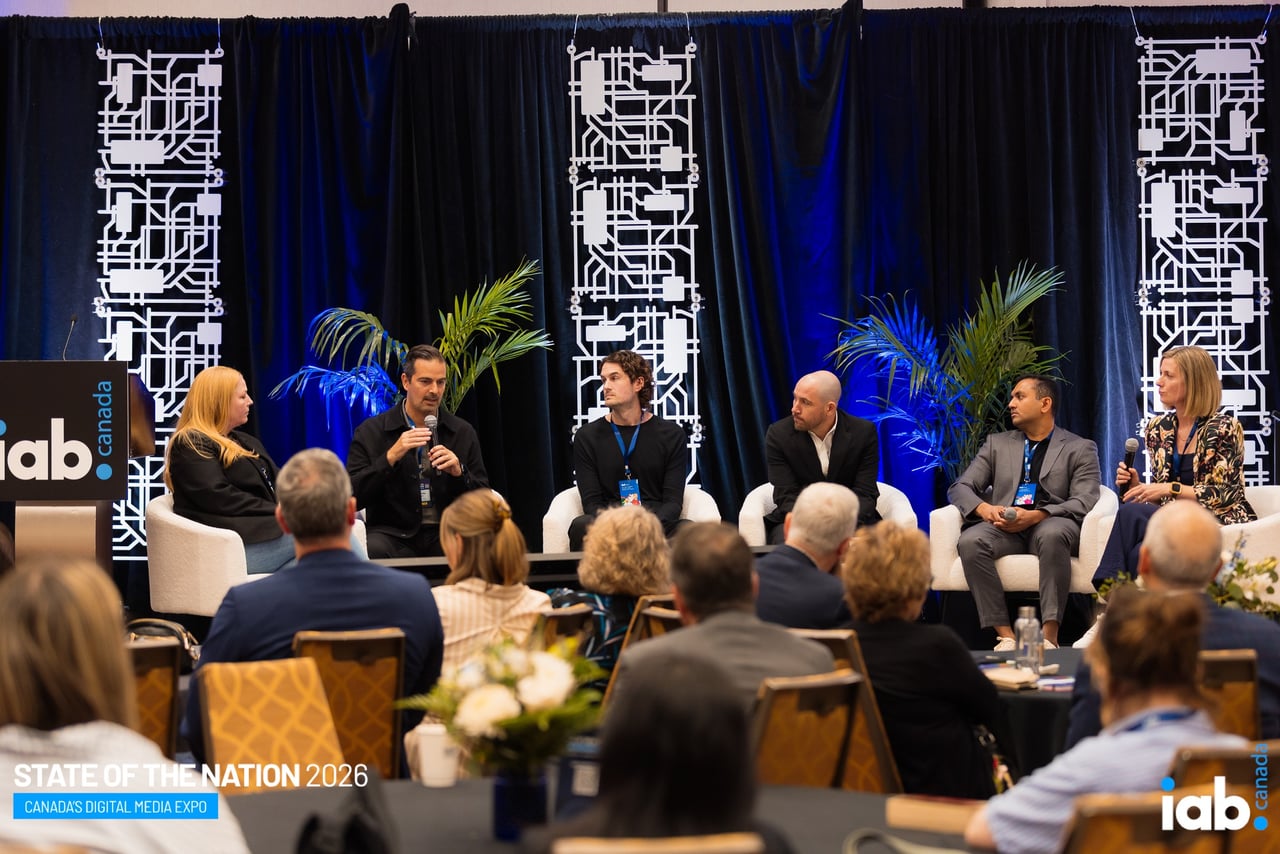
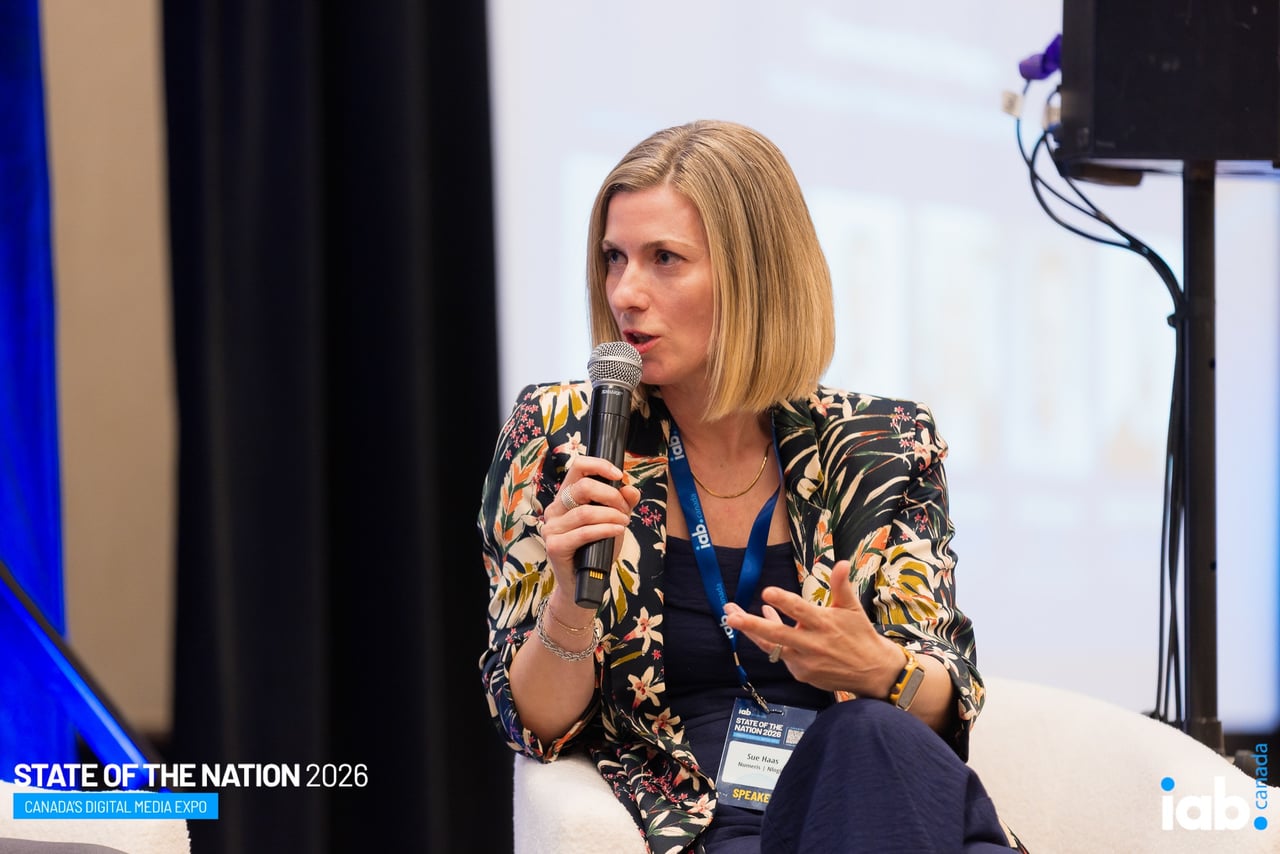
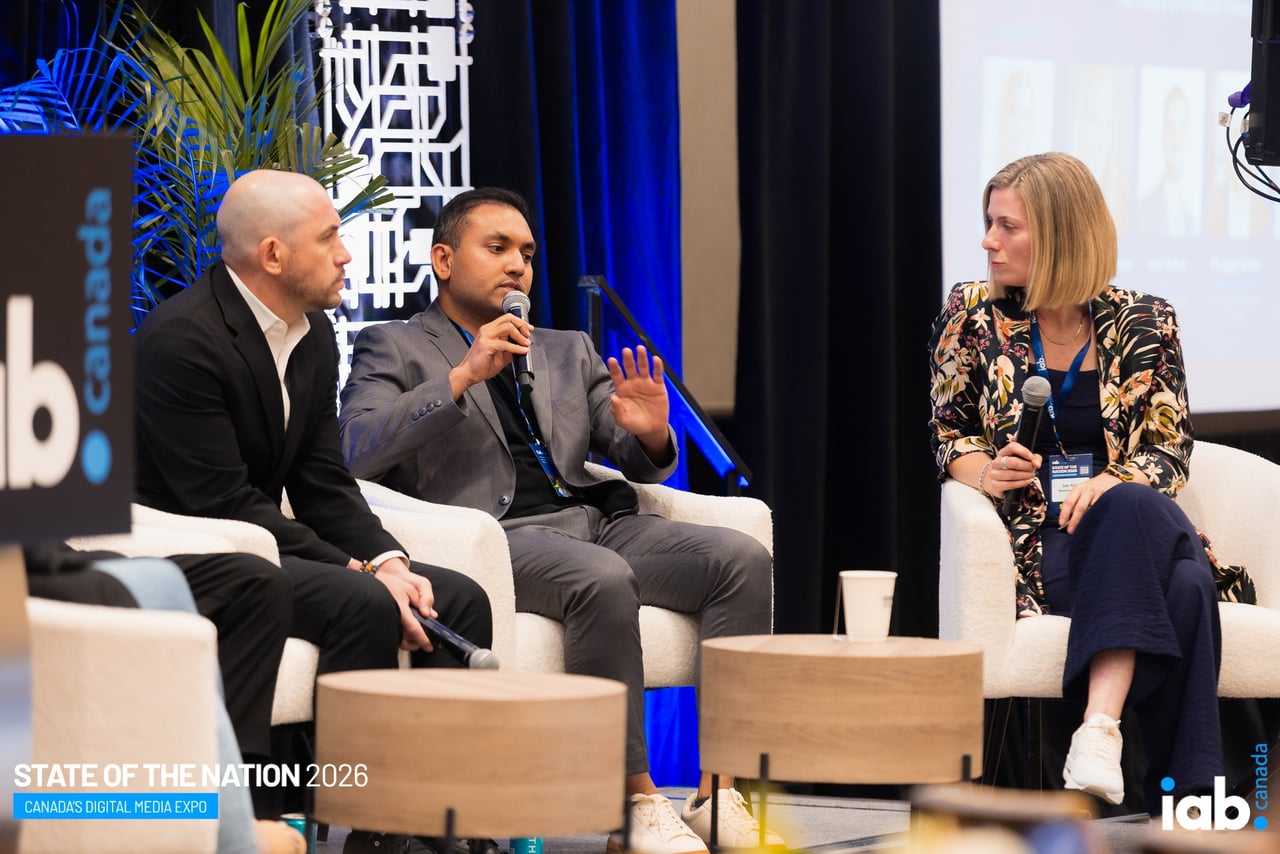
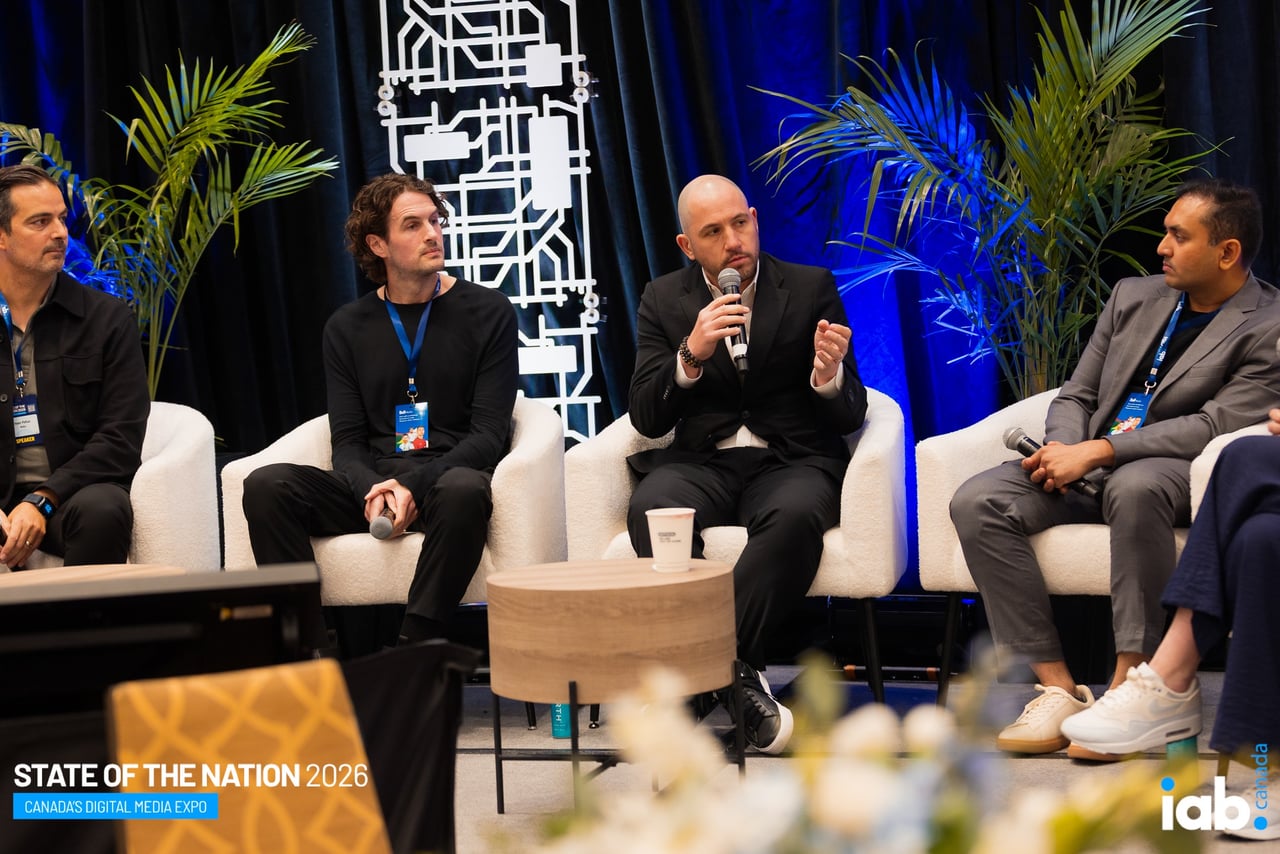
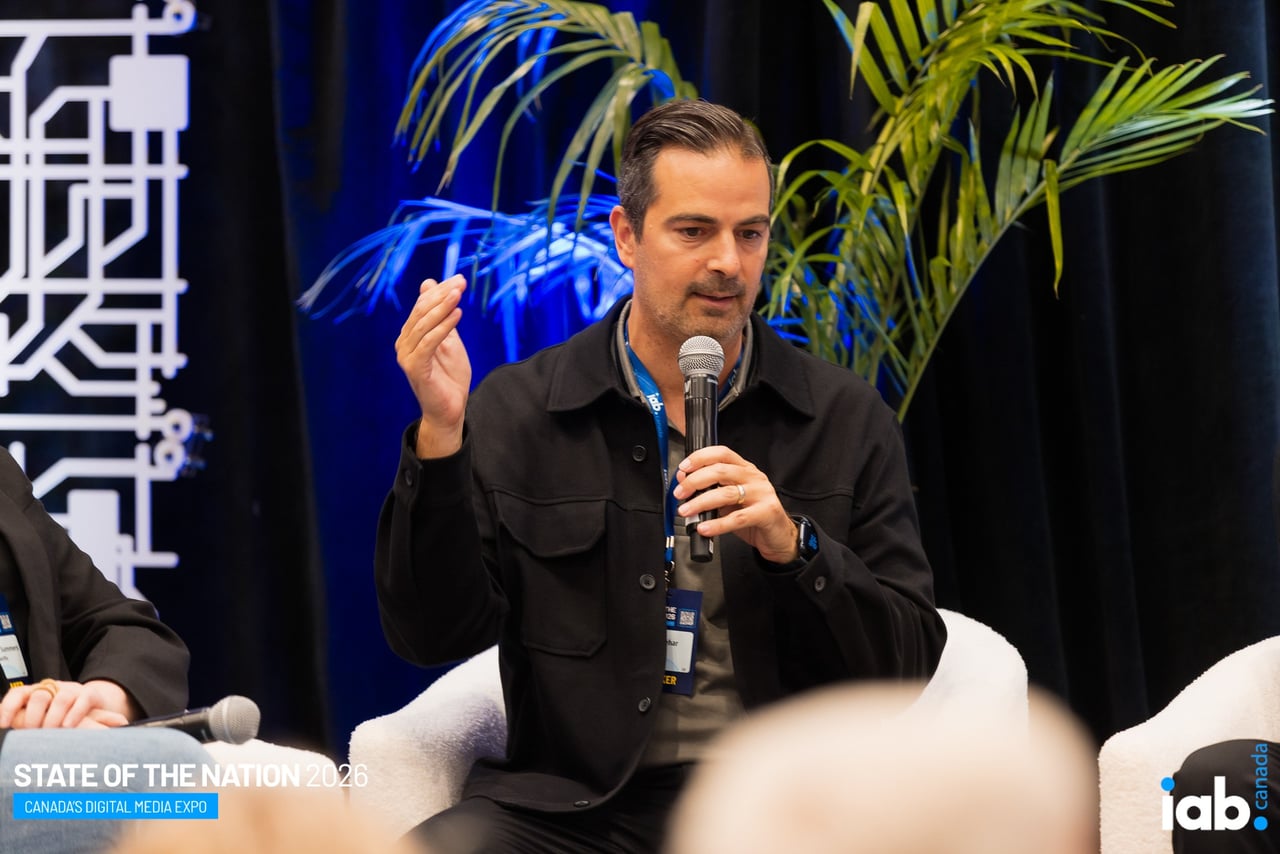
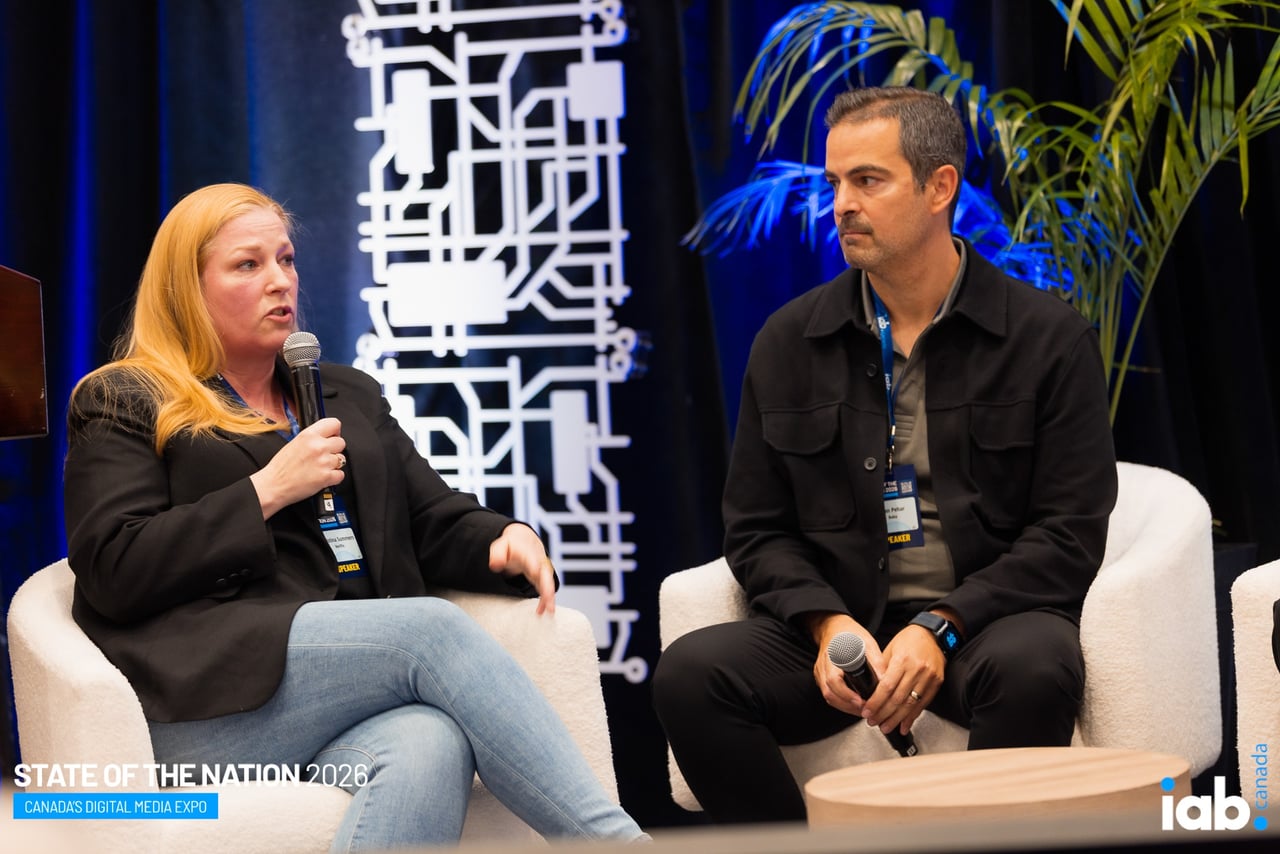
CTV sits in a unique position. It carries much of the attention and creative impact associated with the big screen, while adding the targeting, optimization and measurement capabilities advertisers expect from digital. As Shakib Azam (VP of Commercial Strategy and Operations, MiQ) noted, CTV is “positioned at a sweet spot” between linear television and digital video.
Ivan Pehar (Director, Ad Sales Canada, Roku) connected that shift to performance. CTV is no longer limited to upper-funnel brand activity. Interactive formats, remote-enabled actions and attribution partnerships are making it possible to connect exposure to outcomes. “We understand that connected TV has to be a performance vehicle and opportunity,” he said.
Christina Summers (Country Leader, Advertising Canada, Netflix) brought the discussion back to the viewer experience. Netflix’s ad strategy starts with the content experience, using hand-curated breaks, lower ad loads and stricter frequency caps. “We’re looking for things that aren’t going to take away from the experience that you have,” she said. The goal is to protect the attention that makes premium video valuable.
Philippe Kleim (VP, Digital Advertising Strategy, Corus Entertainment) added important Canadian context. Linear TV still plays a major role in reach, while CTV provides more precise targeting and flexibility. The industry’s challenge is to make video easier to buy and measure across formats. “The biggest growth opportunity is to give the ability to marketers to really understand how they’re actually buying video holistically across everything,” he said.
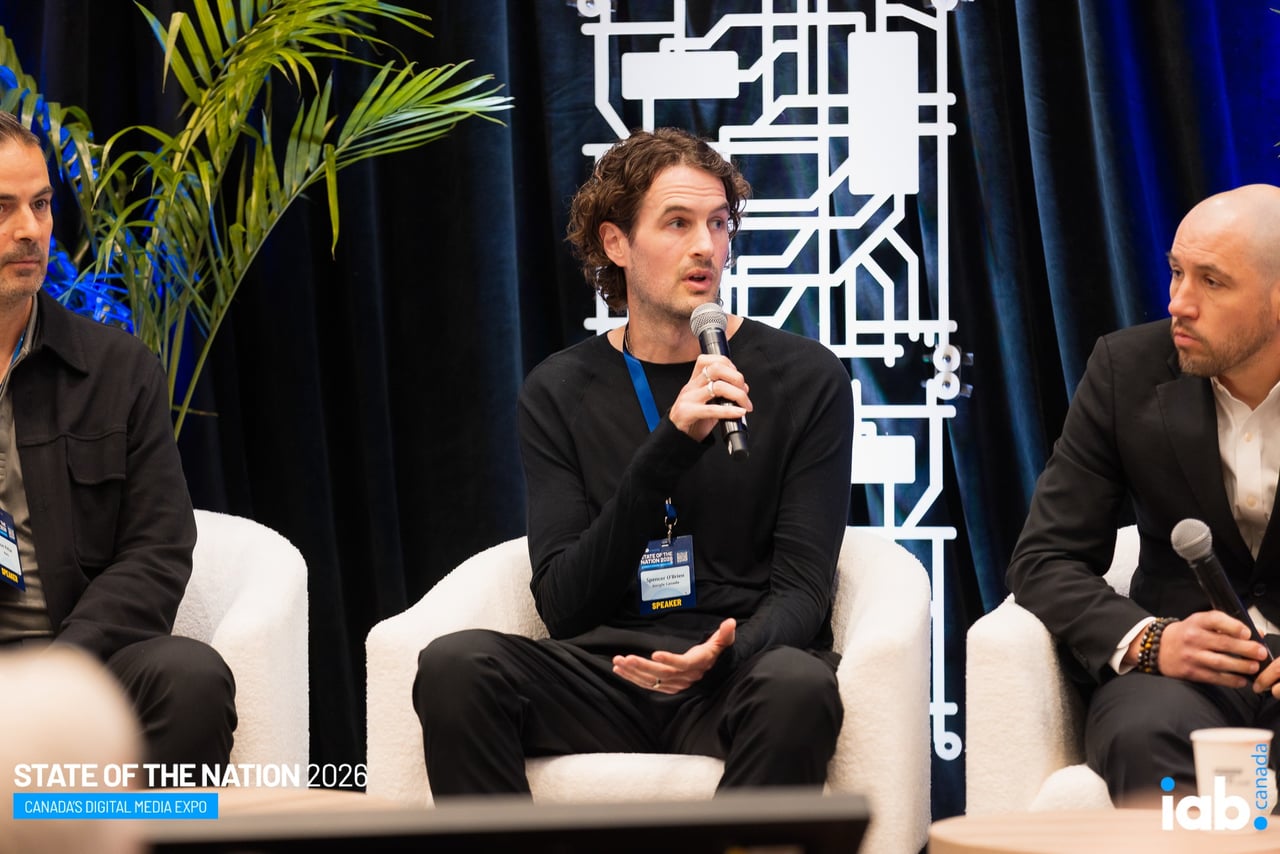
Spencer O’Brien (Head of Programmatic Media, Google Canada) cautioned against treating all video the same. CTV requires its own strategy, particularly when it comes to execution and measurement. “You have to have a dedicated connected TV strategy,” he said. What works for online video will not automatically work on the big screen. The discussion showed that the line between linear, streaming and CTV is becoming less important to consumers, while still requiring more precise media strategy. Advertisers need planning, creative and measurement approaches that reflect how people actually watch, while recognizing that different video environments serve different roles.
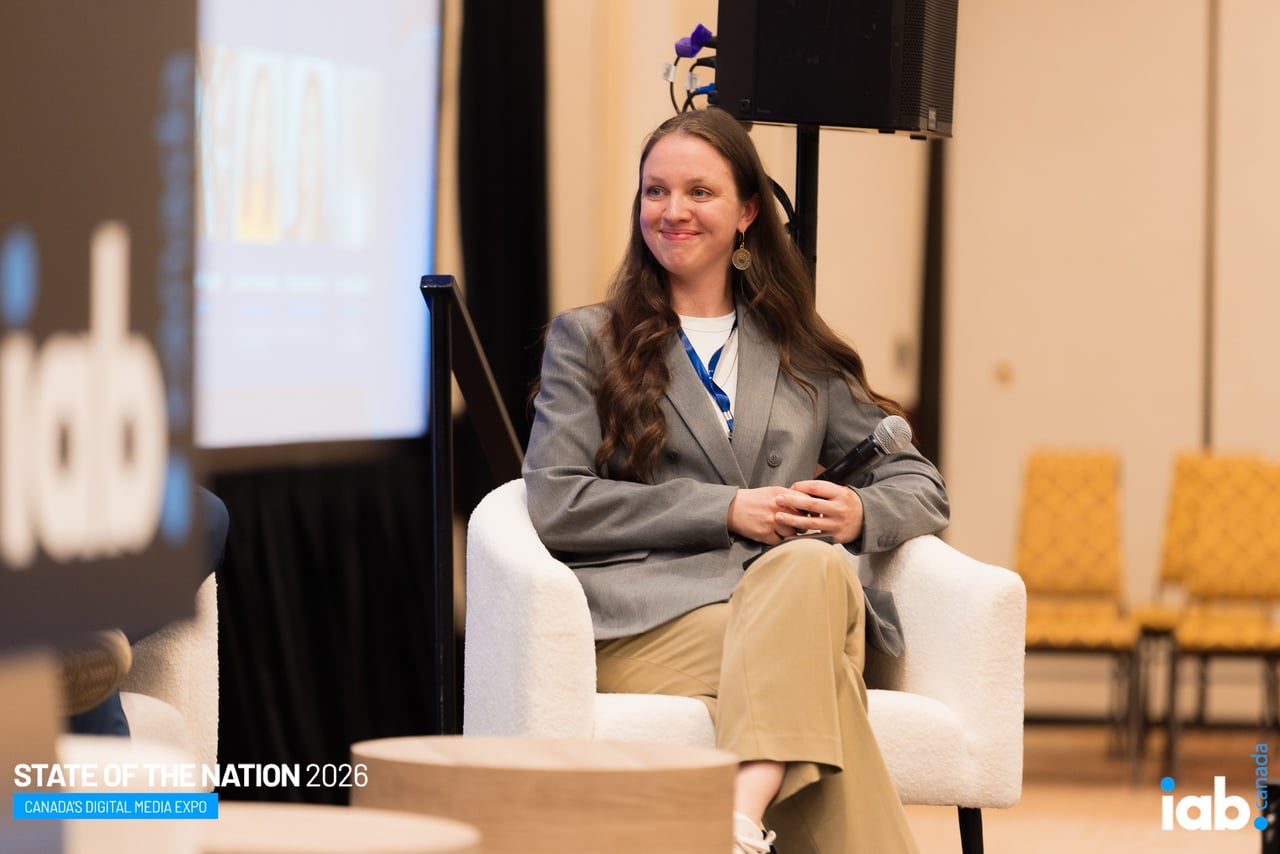
The next panel, Attention in the Wild: How DOOH Is Redefining Real-World Media, moderated by Kate Dorofeeva (Director, Digital Strategy, Involved Media), focused on a channel that is becoming more digital in how it is planned and measured, while keeping its public, physical presence.
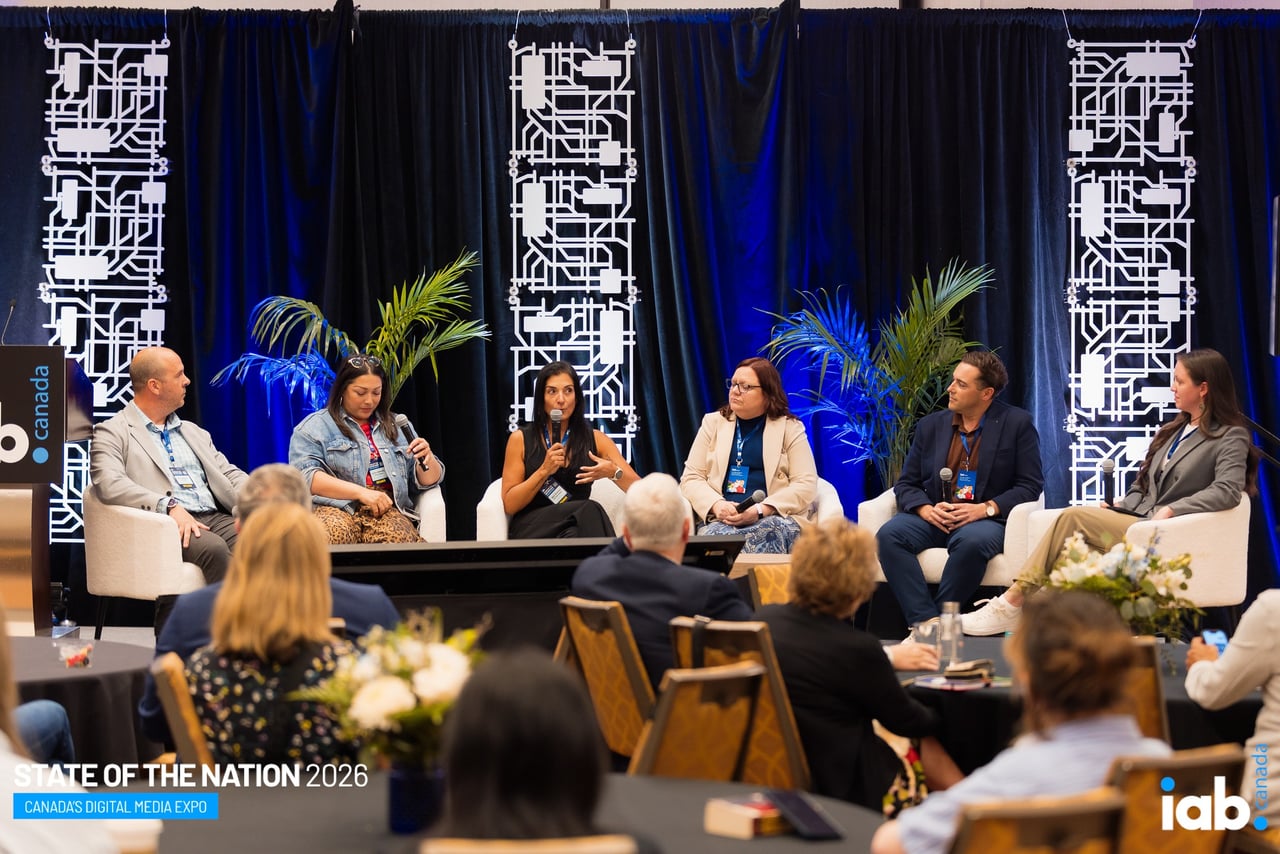
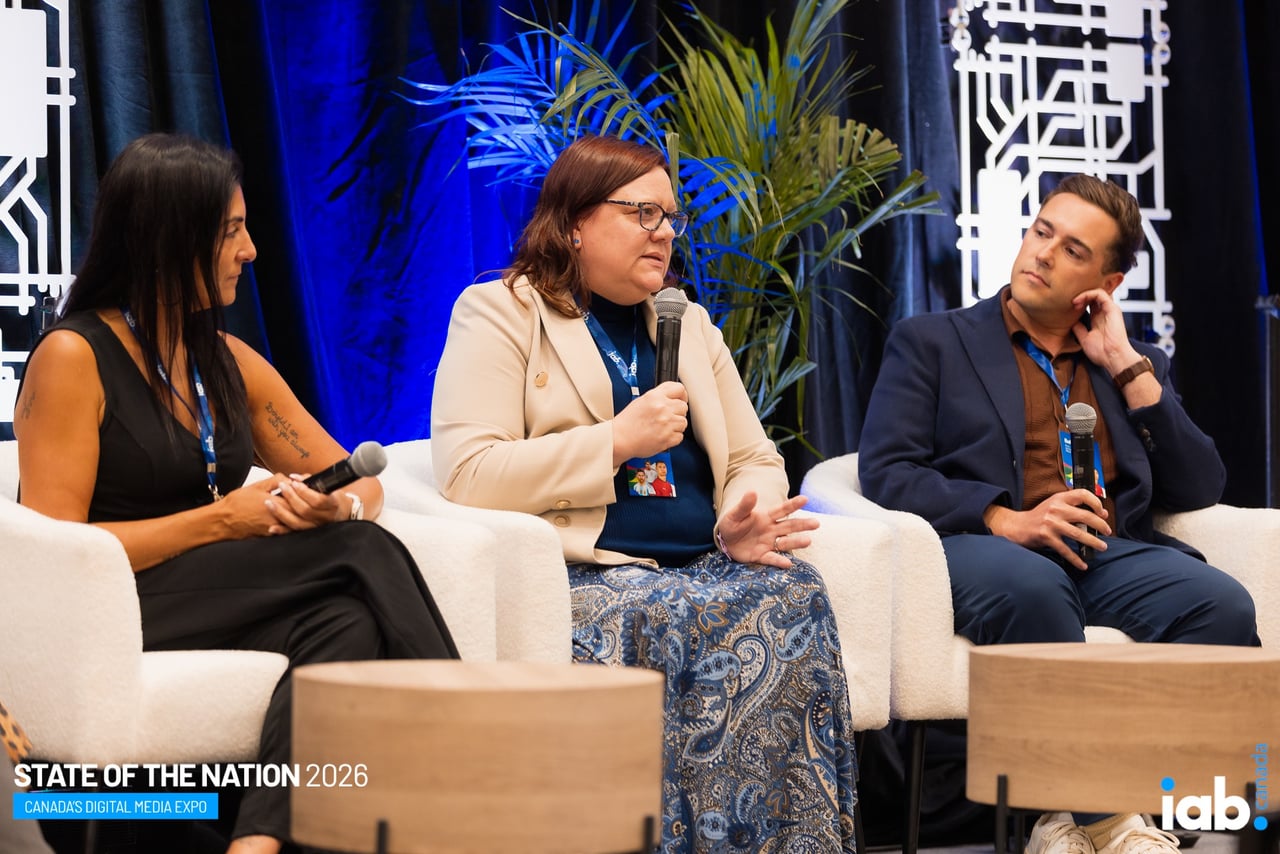
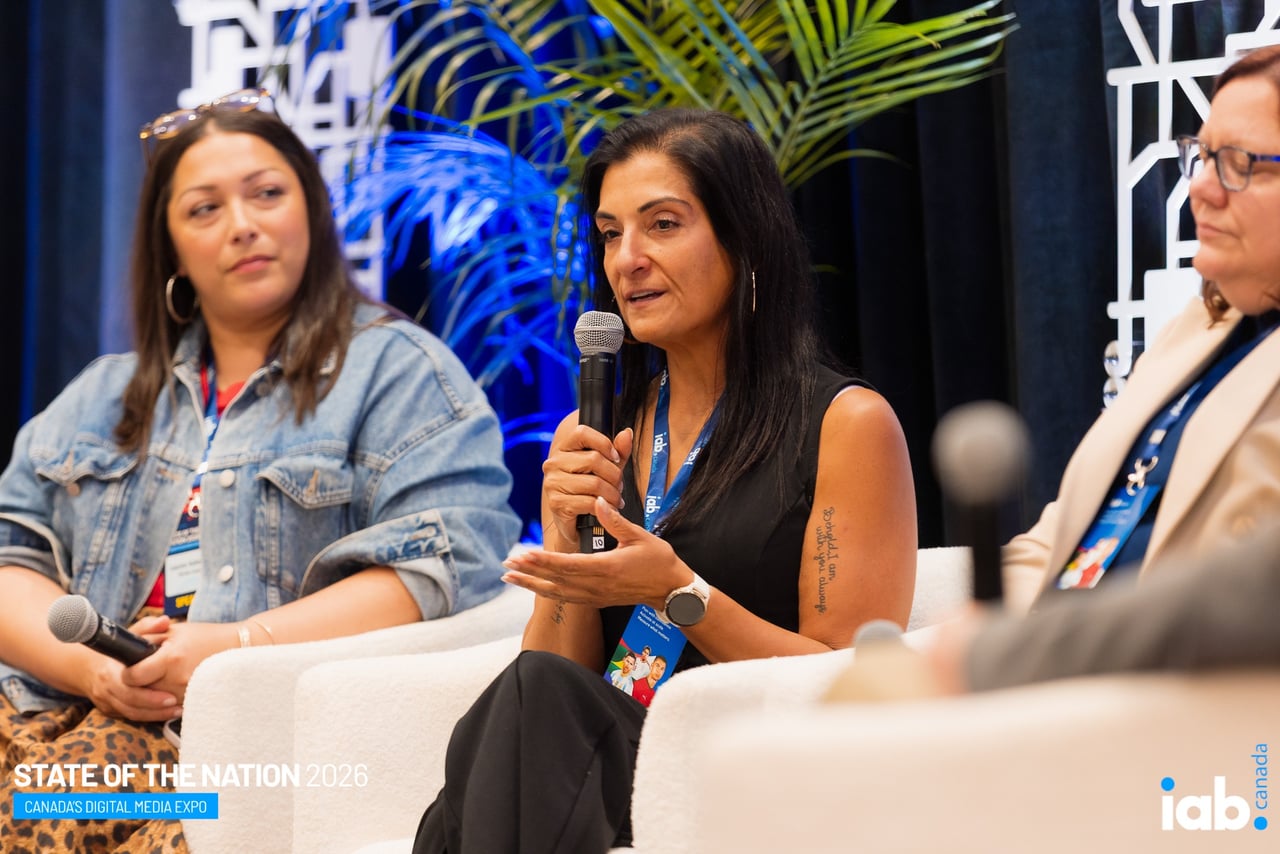
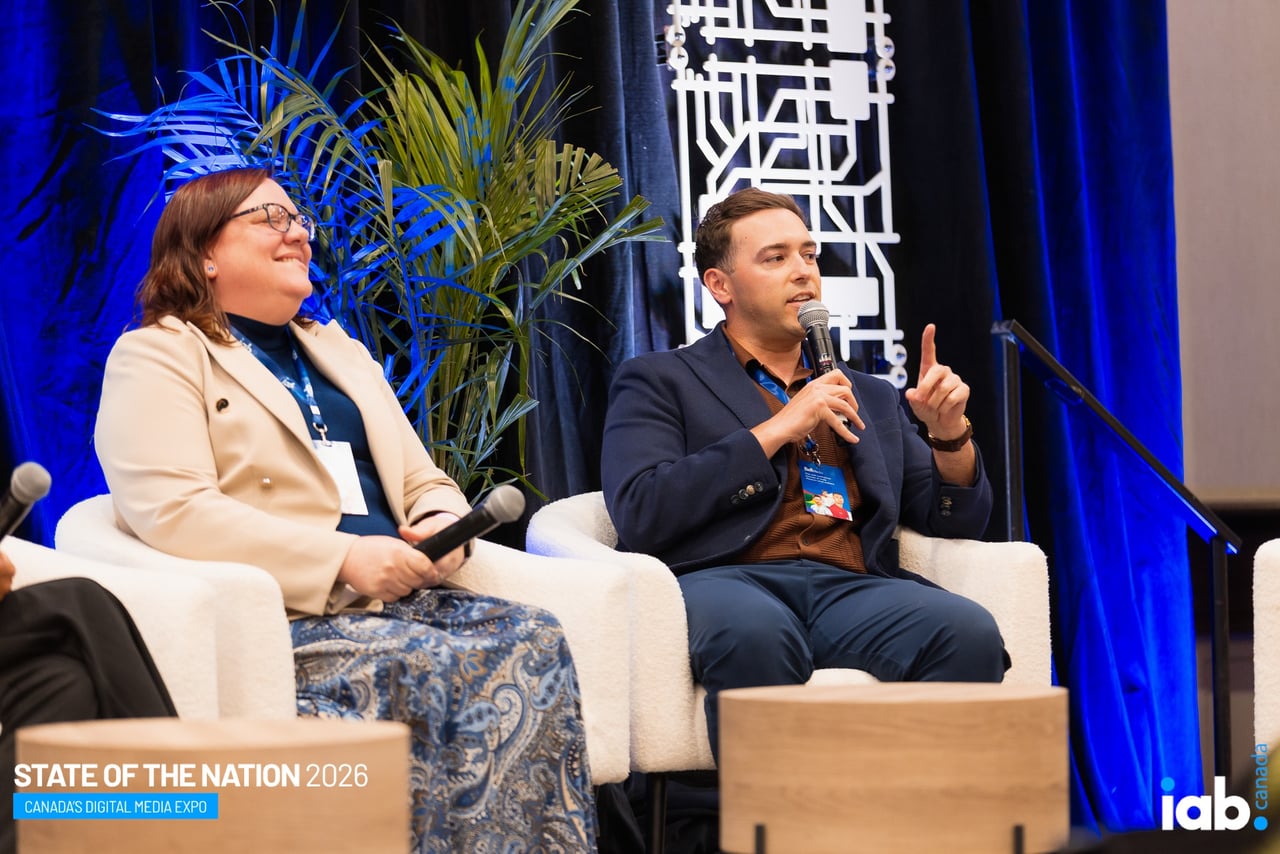
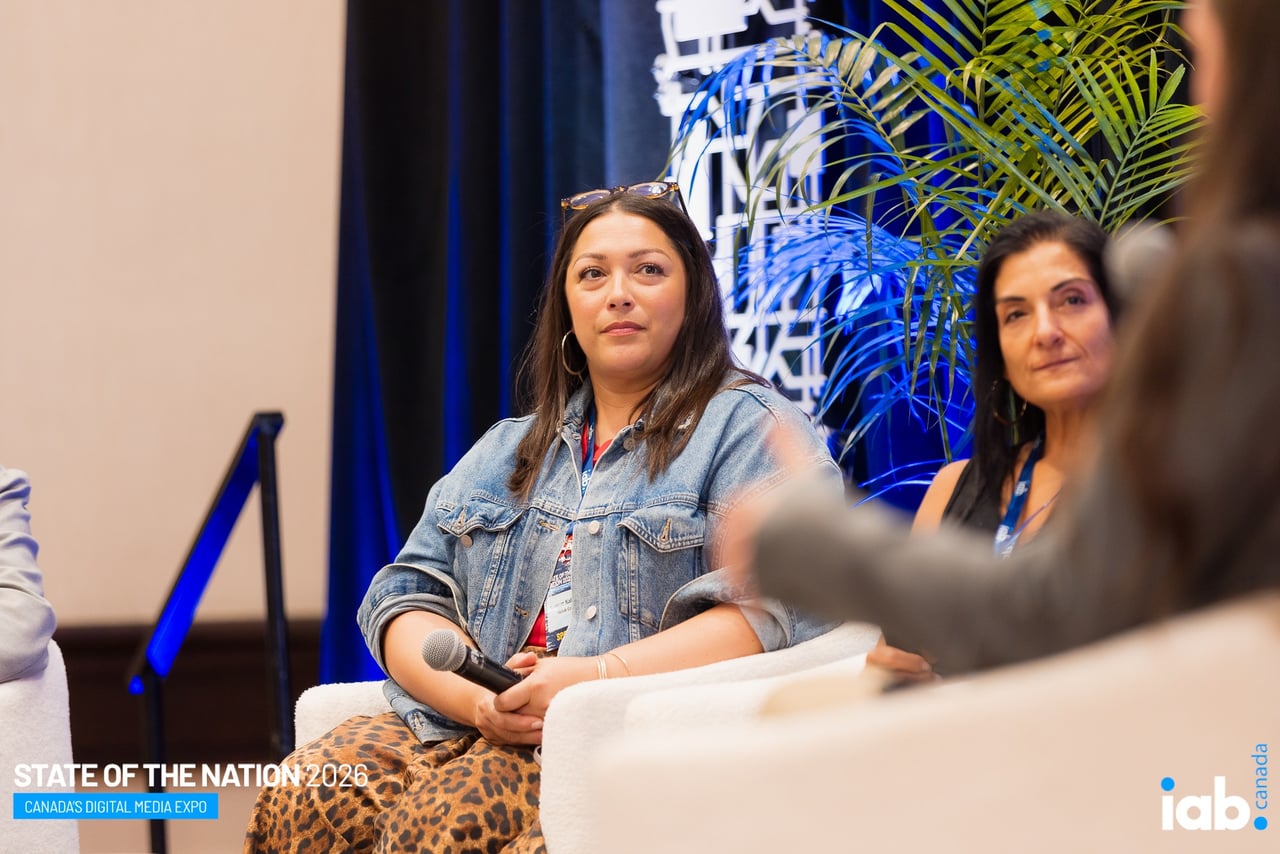
Digital out-of-home is an amplifier in the media mix. Barb Huggett (Senior VP of Sales, UB Media) described its role as extending the reach and impact of activity happening elsewhere, especially video and social. “It’s not about replacing things; it’s about amplifying what’s being done out there,” she said.
Lauren Kahansky (Head of Industry Food & Bev, Travel & Telco, TikTok Canada) connected that amplification to social content. For platforms like TikTok, DOOH can extend digital culture into the physical world, helping brands reach communities in a more public and shared way. “The difference is much smaller than you think,” she said, referring to the overlap between social and out-of-home. The strongest work, she added, is often simple, visual and grounded in the heart of the message.
Mary Ventresca (Chief Marketing Officer, PATTISON Outdoor) framed DOOH around trust. In a market increasingly affected by AI-generated content, misinformation and digital skepticism, real-world media has a different kind of credibility. “We are now the ground truth,” she said. For brands, that physical presence can create legitimacy that is harder to achieve in more cluttered digital environments.
Adam Kahansky (Regional VP Sales, Canada, Broadsign) focused on the importance of context. Programmatic access has made DOOH easier to buy, but the medium still requires planning judgment. “There’s still an art to it. It’s not all robots,” he said. A screen in a busy public square, an airport, a transit station or an office elevator should not be treated as the same creative opportunity.
Rory Gilliland (Sr. Manager, Programmatic DOOH, Bell Media) emphasized the need for stronger creative discipline as new buyers enter the channel through programmatic platforms. Repurposed assets often miss the opportunity of the format, especially when context, location and screen type are not considered.
The panelists were direct about the creative gap. Too much DOOH still relies on assets that do not fit the format or environment. Stronger performance will depend on creative that respects the location, the audience mindset and the short window of attention that real-world media often has.
Measurement is also evolving. Mobile data, vetted impressions, brand lift, foot traffic and emerging attention metrics are giving advertisers more ways to understand impact. The panel also noted that advertisers need to begin with the outcome they want to achieve, rather than asking for measurement after the plan is already built.
The final panel, Audio Everywhere: Unlocking Opportunity Across Streaming, Podcasts and Broadcast, moderated by Sharon Taylor (Chief Revenue Officer, Triton Digital), looked at one of media’s most underused opportunities. Audio holds a meaningful share of consumer attention, but still receives a smaller share of advertising investment than its role in people’s daily lives would suggest.
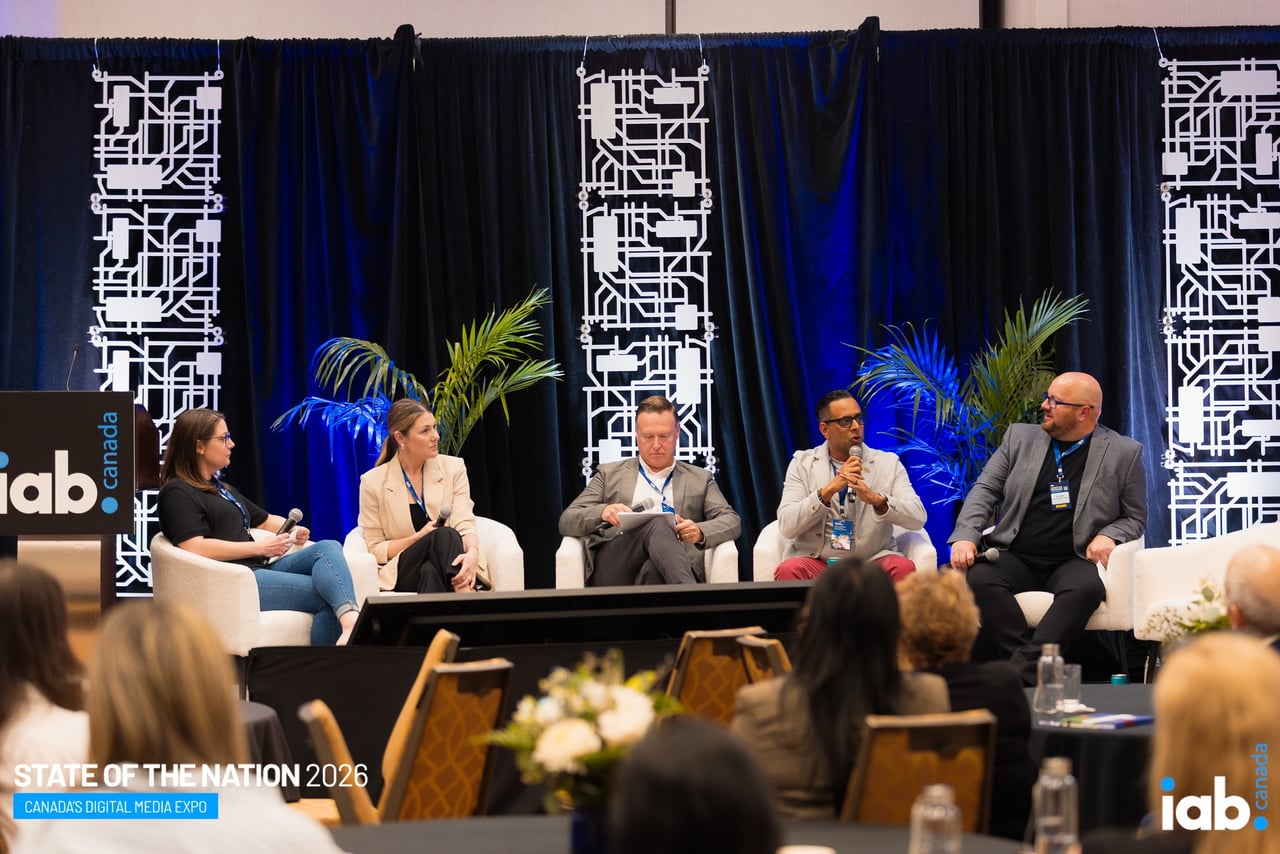
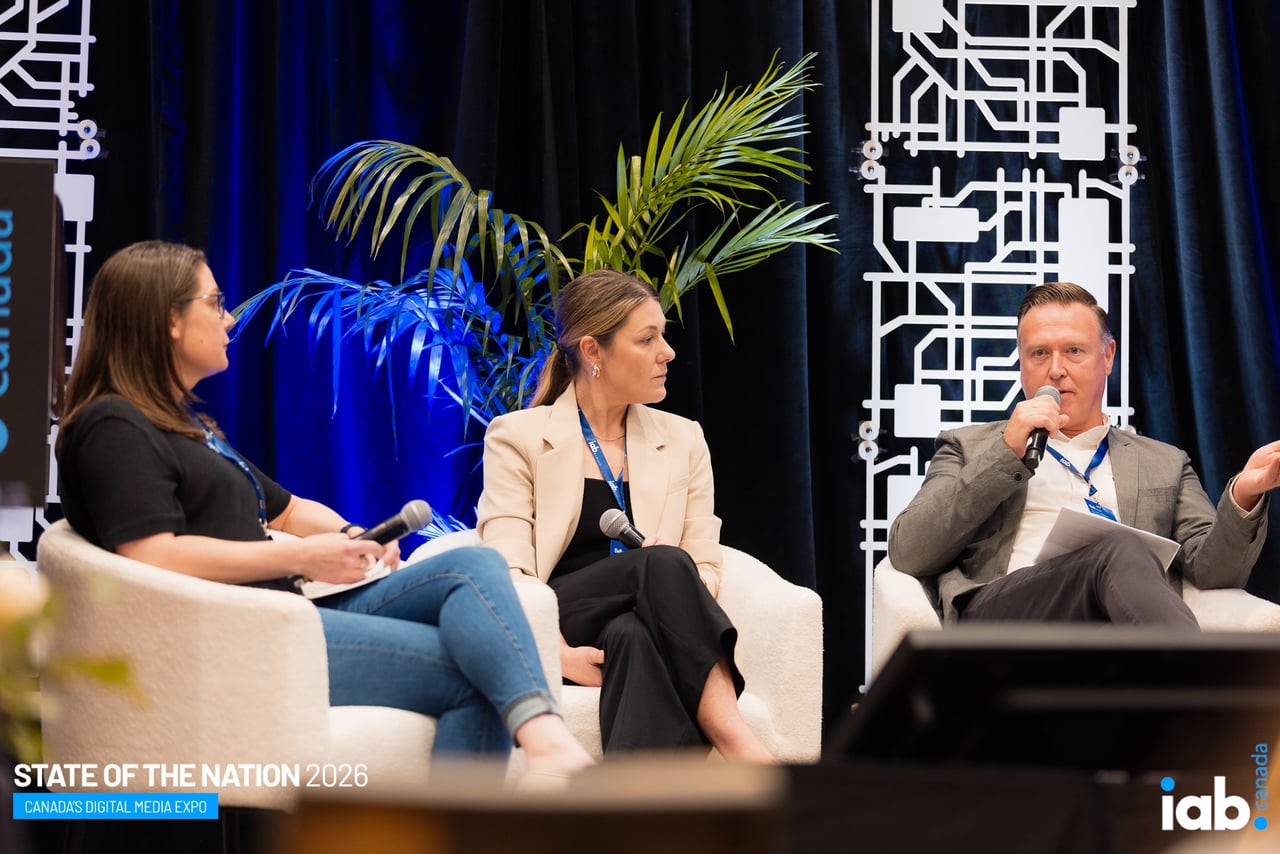
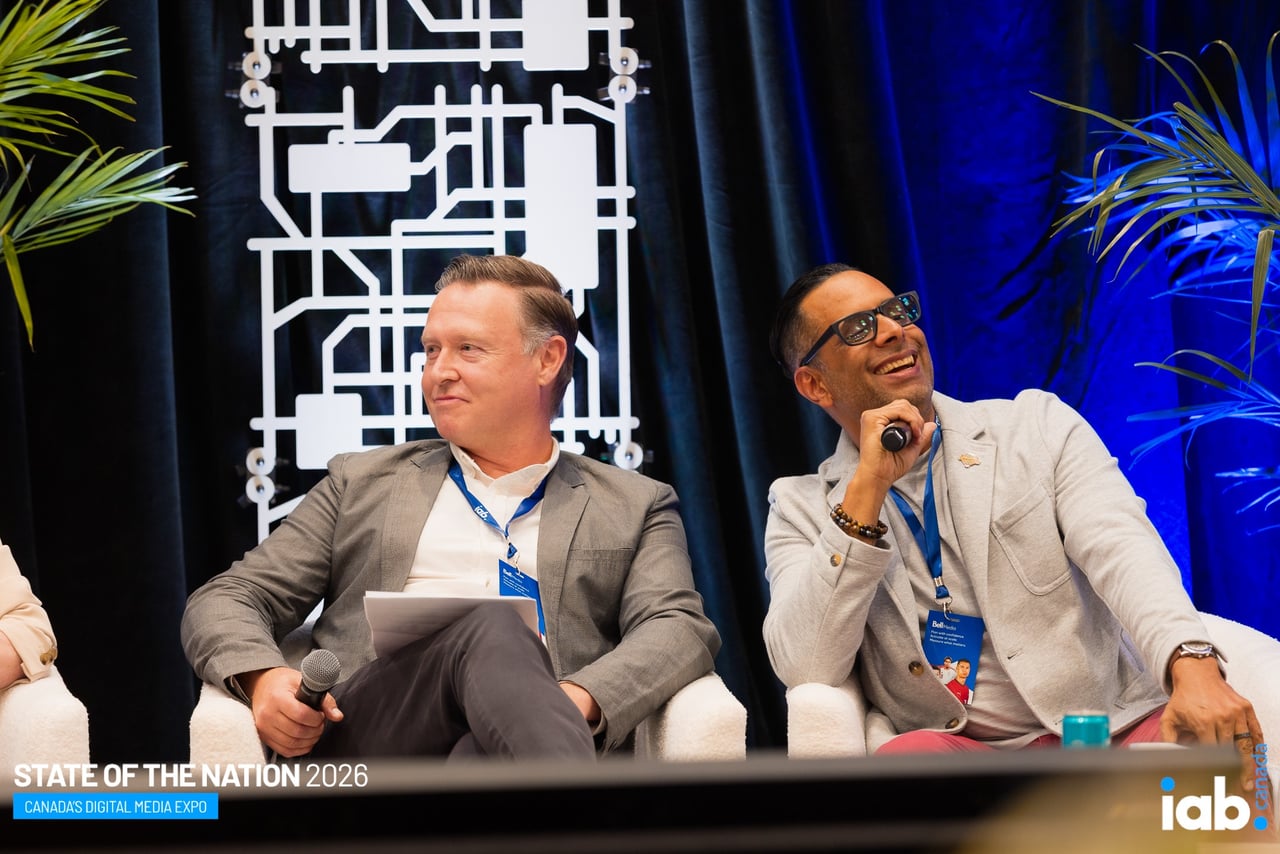
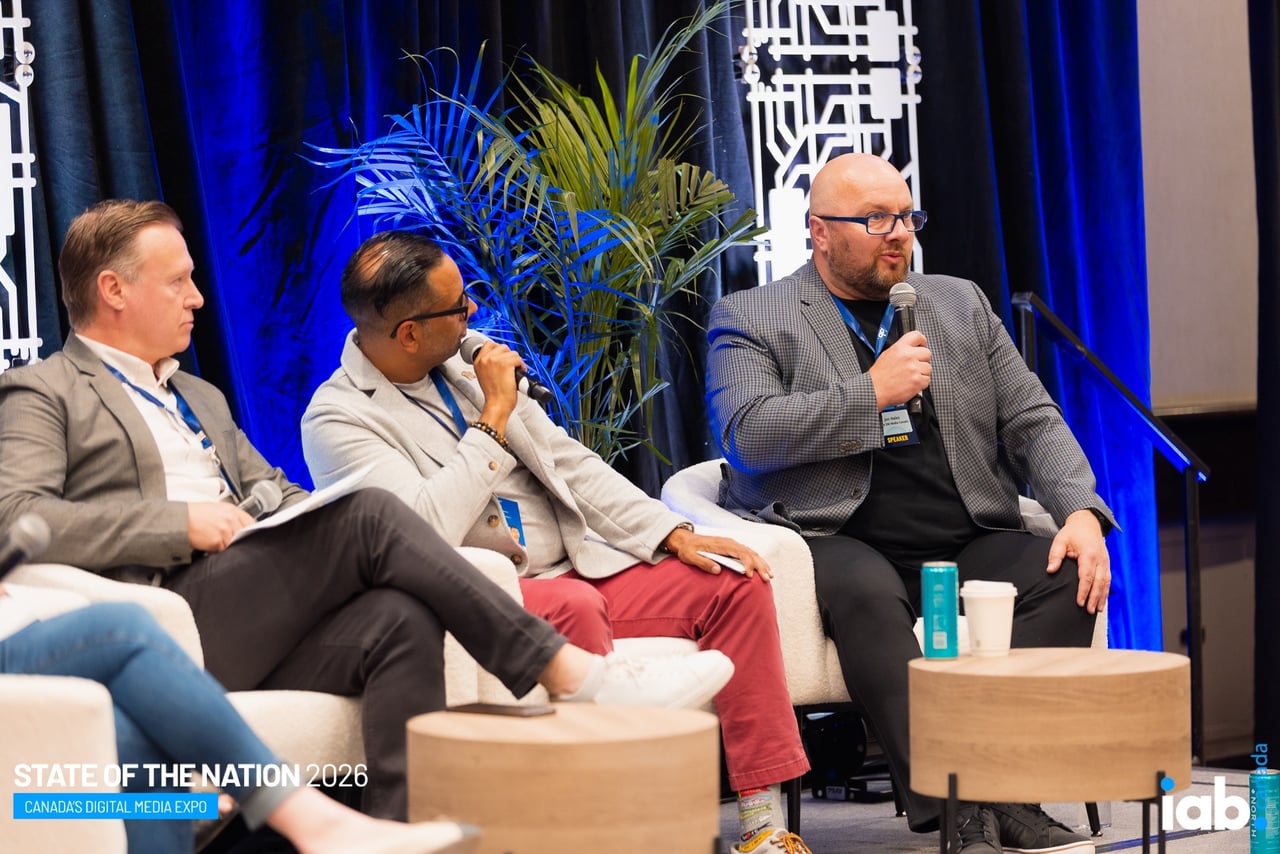
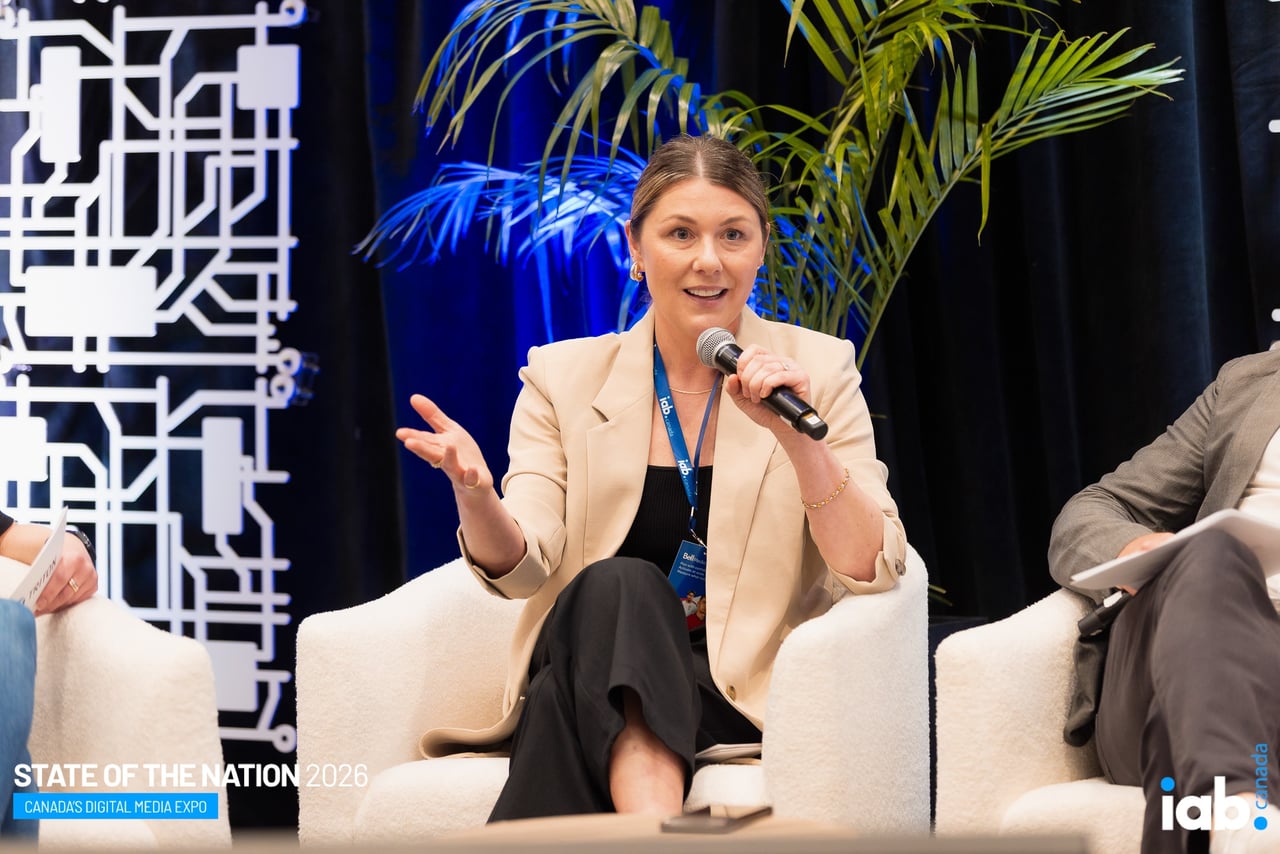
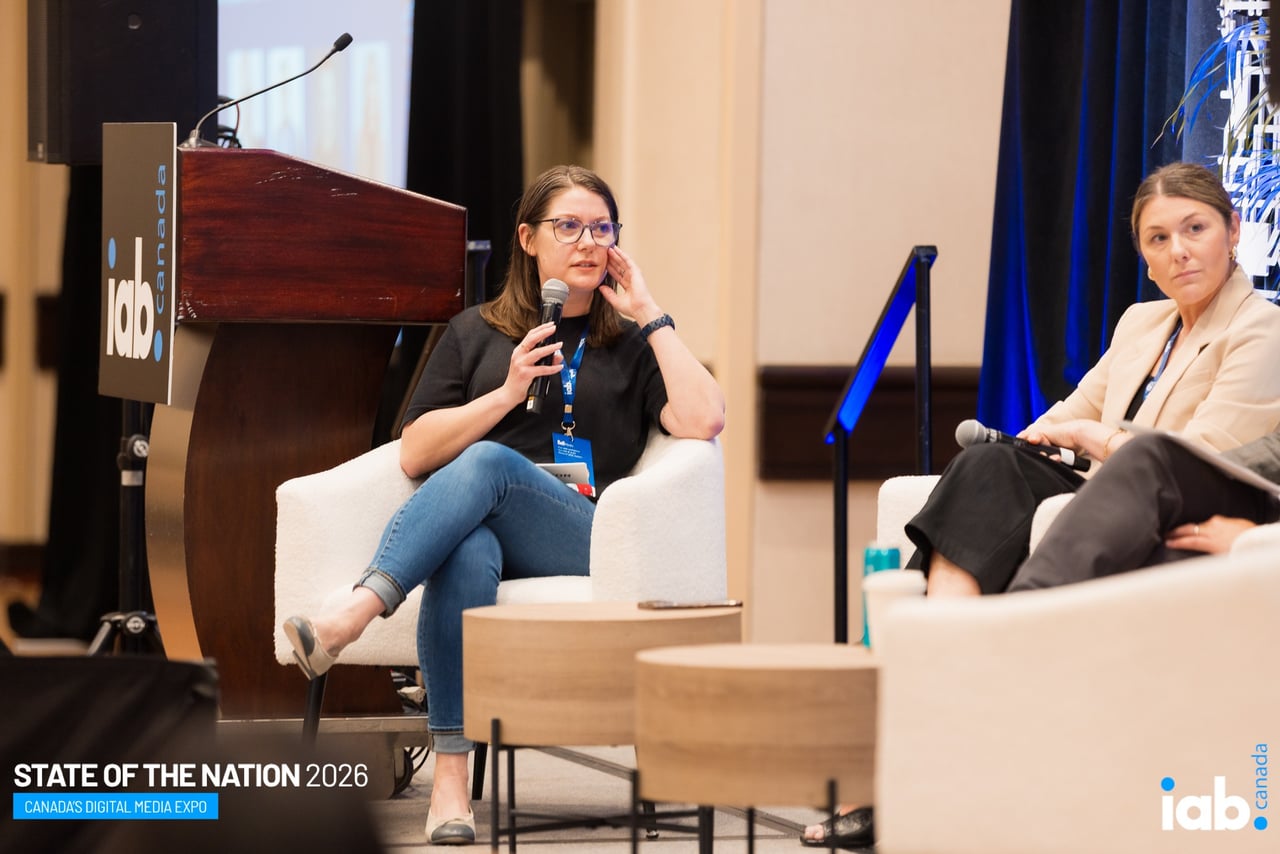
Jon Hales (VP & Country Lead, SiriusXM Media Canada) described audio as both underutilized and undervalued. One reason is that planning tools and creative processes often favour screens. “Screens are given dominance versus the audio factor,” he said. Audio is too often added late, rather than built into strategy from the beginning.
Karim Kanji (VP, Digital and Emerging Media, Active International Canada) identified a knowledge gap in the market. Many of audio’s strongest advocates have moved into more senior roles, while newer teams may not have received the same training on audio’s full-funnel potential. “Audio really needs to be re-educated across the medium, across our key agency partners and across our key clients,” he said.
Ryan Fuss (Chief Revenue Officer, Stingray Advertising) argued that audio should be considered from day one. In retail, in-car, connected TV and other environments, audio can reach people when screens are not the main point of attention. “Audio is not an add-on,” he said. “It should be baked into the strategy from day one.”
Tanya Springer (Podcast Growth Lead, CBC) brought the podcast perspective, noting strong growth in news, true crime and other highly engaged formats. She also challenged the industry’s reliance on older metrics. Downloads alone do not reflect how people actually consume podcasts today. Verified listeners, plays and consumption time offer a better view of engagement.
The panel also explored how audio is becoming more connected. The car is evolving into an addressable environment. In-store audio is being used by both endemic and non-endemic advertisers. Video podcasting is expanding discovery without replacing audio-only listening. The opportunity is to plan audio around real behaviour: commuting, shopping, cooking, exercising, working and winding down.
The three panels reinforced the importance of context. CTV earns attention through intentional viewing and premium content. DOOH earns attention through public presence, location and trust. Audio earns attention through habit, intimacy and moments when screens are not enough.
For Canada’s digital advertising market, the opportunity is to move beyond channel silos and plan around how people actually move through their day. That means treating video, out-of-home and audio as connected parts of the media experience, rather than separate line items competing for leftover budget.
The next stage of media planning will require sharper creative, stronger measurement and more respect for the environments where attention happens. The channels may be different, but the standard is the same: useful, relevant and trusted experiences that create value for audiences and advertisers.
Visit the IAB Canada Resource Centre to read more from State of the Nation 2026 and join us at upcoming IAB Canada events to be part of the conversations shaping what comes next.